| INTRODUCTION |
|---|
| THE WORSHIP OF GOD London, July 21-23, 1953 A. J. Gardiner |
After the death of Mr. James. Taylor, on March 29, 1953, the London meetings – at which he had so often served – assumed special importance.
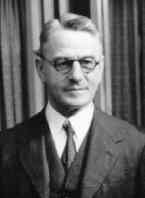
In 1953 and 1954 the London brethren wisely invited a local brother, the universally-respected Mr. A. J. Gardiner, for years a staunch supporter of J.T. and not one to have personal ambitions.
The following notes and those for the subsequent years to 1959 – all of which have been out-of-print for some years and unlikely to be reprinted –
G.A.R.
| READING 1 |
|---|
| The Worship of God – 1 Ephesians 1 |
A.J.G. I think it is clear that the praise of God as called forth from the saints by their appreciation of different features of His glory is what is specially in mind in this epistle.
So that we read in verse 6,
and then in verse 12,
“That we should be to the praise of his glory”,
and then in verse 14, “To the praise of his glory”;
One might say that there are, at any rate, nineteen doxologies in the epistles, which shows that the truth is intended to be something in our souls that connects us with God and with Christ, it is not to be held academically,
G.A.L. Is your point that not only is the approach equal to the revelation in Jesus, but that the saints, as being brought into the light of the revelation, are to be in the full glory of the approach?
A.J.G. Yes, and affected inwardly; I think that is what will help us, particularly in the matter of the service of God, not to be too much occupied with the matter from an academic point of view, but rather to allow the light of divine glory, as it is presented to us, to affect our souls, the Spirit will then call forth the suited answer.
P.L. In the doxology in the first of Revelation,
A.J.G. I am glad you have mentioned that because while this epistle presents the truth from the divine standpoint, the truth for all saints,
— Would you say “the heavenlies” would allude to the place where worship is carried on?
A.J.G. Yes, I think so, but say what is in your mind, please.
— I thought that the place actually of the worship of God is in heaven.
A.J.G. So that it takes on, you mean, a distinctly heavenly character?
— Yes, and I thought, requiring that we should understand that the state you are alluding to is to be in us, as the basis for being in heaven to carry on the worship of God.
A.J.G. I think so, because it is man according to Christ Jesus that is in mind, is it not?
P.L. This chapter has been alluded to as bearing on God at home in love, while the second chapter bears more on divine love operating away from home, but all in view of gathering its fruits for home.
A.J.G. Quite so, but we were having, some of us, on Lord’s day in this city, that turning to God from idols to serve a living and true God, to serve as bondmen, is really a necessary basis for the service of God,
W.C. Would Lydia be an instance of that, she speaks of being “Faithful to the Lord”; I was thinking how she is linked on with a local company that was marked by rejoicing, it would link on perhaps with what we are saying here.
A.J.G. Yes, quite so, but I was thinking of how we have to come, in the understanding of our baptism, to reckon ourselves dead to sin, that is our own wills, and “alive to God in Christ Jesus”,
H.D.T. So that we are held in our souls in relation to the world that He fills? “In Christ Jesus”, is the Man in the glory, is it not?
A.J.G. Quite so, and “In Christ Jesus” involves the idea of power, power operating in us by the Spirit,
C.H. Does that process form inwardness with us? I was thinking of the Lord’s word to the woman of Samaria that they who worship the Father should
A.J.G. Yes, it is in spirit, you mean, and in truth. Truth in the inward parts is one of the most important things that we can consider, the necessity for it.
G.A.L. So that “In Christ Jesus” would stand in contrast to in Adam, would it not, as a known thing in the soul, a new and living Head?
A.J.G. It is more than a contrast to ‘in Adam’, I think, because ‘in Adam’ is a status, and “In Christ” is the contrast to that, but
G.A.L. Hence we are united to Him there.
A.J.G. Quite.
H.D.T. You mean there is not only a status divinely conferred, but the One in Whom we are before God has won our hearts.
A.J.G. Quite so.
H.D.T. The addition of “Jesus” to the title is to bring in what is personal, do you think?
A.J.G. And what is characteristic, also.
J.S.E. Would you say a word please as to the reason why this word ‘at’ is employed in this epistle in relation to the place – I believe everywhere else it is ‘in’.
A.J.G. Well, the note says that literally it is ‘in’. I do not know that one can say much about that; have you something in mind?
J.S.E. I was going to ask if it bore on the value of the name ‘Ephesus’ in relation to what you are suggesting as to the higher, one might almost say, the highest, features in the praise of God.
A.J.G. Ephesus would no doubt be known as the place in which Paul had laboured with great success under the Lord, so that he had been able to open up to them the whole counsel of God, but he is careful to tell us in his word to the elders at Miletus,
J.S.E. Does the principle of full purpose of heart enter into this word ‘Ephesus’? ‘Full purpose’ is the meaning of the word, and I wondered in what you have said about soul and a suited state,
A.J.G. That is just what one was thinking, that while we may well contemplate the truth from the divine standpoint, so that our souls become impressed with the blessedness of God in various features of His glory,
— Therefore your allusion to Romans is of the utmost importance, because it is a question really of the glad tidings of God concerning His Son, and the great thought of righteousness coming in, referring to the moral element that is needed in view of getting into heaven.
A.J.G. Exactly, I believe that is of the greatest importance.
R.W. Would verses 20, 21, 22 and 23 of chapter 4, help in connection with what we have been saying?
A.J.G. They do, “But ye have not thus learnt the Christ, if ye have heard him and been instructed in him according as the truth is in Jesus; namely your having put off according to the former conversation the old man”,
H.D.T. May I ask in relation to the question of state, is it not God’s way to help us into what is suitable by the presentation of what is true of us according to the divine mind?
A.J.G. Yes, quite so. So that God establishes His righteousness in chapter 3 of Romans as the great basis on which He effects all the blessing that is in His mind, but then He must bring us into accord with it, and the Spirit of God comes in for that very purpose.
S.McC. Would the reference to the Lord Jesus Christ, the full title, impress us in the opening of this epistle with the greatness of Man in heaven according to that official title, standing related to these operations and thoughts that are in mind here?
A.J.G. Yes, and especially I think, when we come to verse 3,
S.McC. Just so – all that is linked with the full official name, Lord Jesus Christ, that exalted Person, it bears on us in regard to what we have been saying, the power that is linked with it.
A.J.G. Quite so.
C.H. Is it in your mind that as we tread this road of which you have spoken, that we become accustomed to control, and that control is really necessary in the spiritual realm?
A.J.G. Yes, and the control we become accustomed to is the control of the Spirit, and that is what is so important.
E.J.H. Does faith and love that the apostle refers to as being in them, encourage him in the thought that they would take on the truth; he refers to faith and love in verse 15?
A.J.G. Quite so.
C.M.M. Would Peter beginning his epistle with the same doxology,
A.J.G. Very much so, although his line is different, yet at the same time it is very interesting to see that both in Ephesians, and in 2 Corinthians, and in the first epistle of Peter, the epistle starts with that,
H.D.T. Do you not think that those doxologies were involuntary in character?
A.J.G. I do, that is what is so important. I believe we need to be delivered from attempting to compass the truth academically, and the great need is that the light in which divine glory shines should enter our souls, then if we are, as has been said, controlled by the Spirit there will be very little difficulty in our response to it.
— So that the great matter of the Spirit in the epistle to the Romans, and our arriving at Him, is of basic importance in what you say.
A.J.G. Do you not think it is interesting that while this chapter opens up as God’s prime thoughts from the very start the idea of our being brought into sonship, in the epistle to the Romans we arrive at that by means of the Spirit,
— Yes, what you are saying is of the utmost importance because it is the recognition of the Spirit in chapter 8 of Romans which leads into what you are bringing before us.
A.J.G. Yes, exactly.
H.F.R. Would you say something as to the meaning of the term ‘saints’ –
A.J.G. I think saints is what we are publicly as set apart to God, set apart by the death of Christ, and by the reception of the Spirit. It means ‘sanctified persons’, it is what we are publicly, I understand, in the midst of an unholy world.
H.D.T. So that Paul includes that designation in his address to
A.J.G. Quite so, but he cannot, alas, call them “Faithful in Christ Jesus”, but
P.L. Does the spiritual environment furnished by the Ephesians as viewed in verse 1 only move the blessed Spirit through Paul, to immediately break out on the great theme before him in relation to the operations of divine love for its own satisfaction;
A.J.G. I think so, so it might perhaps be remarked that as we go on through the epistle, I think we are impressed with the way the whole Godhead comes before us.
W.H.D. And is it not important that Paul’s final committal to the Ephesian elders in Acts 20 is that,
A.J.G. Well, that is good, “I commit you to God”, and, of course, the answer to that is in the Holy Spirit, who has taken up His abode in us,
D.McI. What is the connection in “To the praise of the glory of his grace”, between glory and grace?
A.J.G. I think it is that we are to take account of the grace of God and see how glorious it is, that He should have conceived such thoughts for men, involving the necessity for the incarnation,
H.D.T. As Mr. Darby says in his hymn, “From thine eternal nature flows”, that gives grace and glory which is all His own, does it not?
A.J.G. Quite so, you mean it all emanates from what God is in love, and along with that what shines is wisdom, infinite wisdom.
E.J.H. What would be the difference between
A.J.G. Ephesians is full of what we might call superlative expressions, because we are to be impressed with God.
S.McC. It is interesting what Mr. Darby points out in the note in regard to the preposition ‘with’ in verse 3; it is not just referring theoretically to this matter of being blessed with every spiritual blessing, but
A.J.G. I think that helps very much, so it is a question of power in our souls in the positive enjoyment of these things.
S.McC. Just so. It would involve the Spirit as we have been referring to Him.
A.J.G. It would.
J.S.E. Is that why, for quite a way down the chapter, the common word is ‘us’, whereas a little further on it is ‘we’ and ‘ye’. Does the apostle link himself on with the saints fully in the very richest and choicest thoughts of God?
A.J.G. Yes, when we come to ‘we’ and ‘ye’, it is a question of God’s ways in carrying out His thoughts, and the ‘we’ is the Jews and the ‘ye’ is the Gentiles, but the ‘us’ in the first part of the chapter is just the saints of the assembly, the most favoured family of all the families.
J.S.E. Would you say one word please about the bearing of Psalm 149 in this connection as to the high praises of God being in the mouth, and then the added touch,
A.J.G. You are referring to verse 6,
and then you referred to the end of the Psalm,
“This honour have all his saints”.
H.D.T. And in its application to ourselves, of this dispensation, would it impress us with the fact that God has nothing less for all his saints than the very best that His love could devise?
A.J.G. Quite so, and the first thing is that He has chosen us in Christ
G.R.C. Would you mind giving a link between God as presented here and in Ephesians generally, and as presented in Romans? In Romans He seems to be presented in His nature and attributes as meeting moral issues, and we learn Him basically thus; would you say a word in contrast to that here?
A.J.G. This chapter presents things without reference exactly to moral questions, I mean they are not prominent;
A.H. Would the reference in 1 Thessalonians, the end of chapter 3, bear upon what you are saying now? The apostle there seems to be asserting that love is essential for the securing of holiness.
A.J.G. That is so, and hence the great need of developing in love amongst ourselves, because God cannot possibly dwell congenially in conditions that are not conditions of love, for He is love,
S.E.W. Would you say something about verse 5?
A.J.G. “Having marked us out beforehand for adoption” or sonship “through Jesus Christ to himself, according to the good pleasure of his will”.
S.E.W. I was thinking of it especially as it being
A.J.G. That gives all its value to it, does it not, that these things are not dictated by any need or desire or thought on our side, they simply have emanated from God,
H.D.T. So that the relationship in sonship is really a requirement of love, is it not?
A.J.G. It is, exactly. It is “to Himself” and “according to the good pleasure of his will”.
— Would you be free to say where Romans touches Ephesians, what the link is?
A.J.G. I think it is in sonship, only in Romans we reach it experimentally, in the power of the Spirit,
— I was thinking just that, that sonship is referred to in Romans 8, after the allusion to the righteous requirement of the law being fulfilled, and there is a link between what is right and what has been in God’s mind in purpose.
A.J.G. Exactly, so that God never compromises or surrenders what is right, does He? He always has a moral basis for what He does, so that things should be consistent with Himself,
G.R.C. And would a great link between Romans and Ephesians be in the title ‘God’; Romans is the glad tidings of God and brings out the nature and attributes of God as coming into our surroundings,
A.J.G. Yes, I think so, so that God is presented here as the God and Father of our Lord Jesus Christ, that is He is God to the Lord Jesus, and He is Father to the Lord Jesus;
G.R.C. I was wondering as to the thought of praise that of the doxologies you have referred to in Romans, three of them relate to God as God, and one relates to the Lord Jesus in connection with the incarnation.
A.J.G. Yes, I think so, God is the great end. It has often been said that He is the great beginning, “In the beginning God”, and He is the great end,
H.D.T. Going back to what has been said, in regard of the link between Romans and Ephesians, it is interesting, is it not, that
A.J.G. I do, there can be no disparity between the two, the gospel comes to us from God, and reaches us in the position in which we are found,
H.D.T. That really brings stability, does it not?
A.J.G. It does, indeed.
J.McD. Would the connection between Romans and Ephesians as suggested in your earlier remarks about Christ Jesus, be seen in Romans 15
A.J.G. Yes, that is good; I believe that is a point at which Romans almost touches Ephesians.
S.McC. So that you not only have the link with Ephesians in Romans 8 in the matter of sonship, our relations severally with divine Persons,
A.J.G. Yes, the germ of it you might say, or preparing the ground for it. I think it is well to bear in mind that the epistle to the Romans has the assembly in mind.
G.R.C. So that it is important to see that Paul brings in sonship in view of leading on to the assembly. Romans 8 gives us sonship experimentally, but it is to prepare us for Romans 12 where the “One body in Christ” is brought in.
A.J.G. I think it is interesting to see that as divine thoughts unfold in this epistle, it is sonship that comes first.
H.D.T. So that this chapter speaks of the glory of God’s inheritance in the saints; they are the persons, are they not?
A.J.G. Quite so.
P.L. The allusion to the mystery at the end of Romans 16, would also be a divine hint, would it, of what would be developed in Colossians and Ephesians?
A.J.G. Exactly, and that is why we are so urgent as to the need of being well established in Romans. Mr. Darby said a good Roman can go anywhere.
G.R.C. So that the final doxology in Romans is to the “Eternal God” and “The only wise God”; that would prepare us for Ephesians.
A.J.G. Quite so.
S.McC. Would you say something as to this matter of purpose and counsel?
A.J.G. God is One, involving Three, and it must involve the three Persons.
S.McC. The reference is sometimes made that counsel is linked with the Father in Ephesians 1, but is it not in the same relation that creation is linked with the Son, and yet it is God who creates?
A.J.G. Quite so.
S.McC. So that the hymn is quite in keeping with the light as to God presented in this epistle, “The Persons of the Godhead in wondrous concord planned”.
A.J.G. Quite so. We cannot, as taking account of the Persons of the Godhead before the foundation of the world, place the Father in a position of supremacy there; the Son and the Spirit were equal in the Godhead, and are so personally,
S.McC. I think that is important.
J.McD. Would that mean that the expression, “The God of our Lord Jesus Christ” cannot be connected exclusively with the Father; would we not have to have in our minds in that the Son and the Spirit?
A.J.G. I think so. I think it is important to see that. You cannot limit God in that way, and confine things to one Person of the Godhead save in the measure in which they are so confined in Christianity when the economy is made known.
A.E.M. I was thinking that counsel is the way that divine Persons have carried out their plan. In counsel the Lord Jesus became a Man and died, is not that so?
A.J.G. Everything proceeds from divine counsel, does it not?
F.C.H. Psalm 2 speaks in that respect,
A.J.G. Everything hinges on the incarnation, that is clear, and the more we contemplate it, the more wonderful it becomes.
F.C.H. Would you say what is involved in that thought as to the decree, “I will declare the decree”?
A.J.G. “I will declare the decree: Jehovah hath said unto me, Thou art my Son; I this day have begotten thee”;
but Proverbs 8 says – wisdom is speaking,
P.L. So that the Hebrew is linked with ‘artist’ [Mr. Darby’s note] which takes you to Canticles or the Song of Songs 7: 1; may we not reverently regard the expression ‘the artist’ as furnishing some hint as to the refinement and skill of the Holy Spirit’s operations?
A.J.G. I think so.
G.R.C. Do you think, in connection with the thought of counsel, that we just have to be on our guard as to thinking of the Father, the Son and the Holy Spirit, in a way that we would think of human beings agreeing together?
A.J.G. I think so, I am sure that is important.
H.D.T. The indivisibility of the Godhead would save us from any such thoughts.
A.J.G. We have got to carry that always in our minds, that God is one, and to acknowledge humbly that we cannot compass it,
G.R.C. So that behind all that we know of God as revealed, there is His essential Being, as it says the Lord is
A.J.G. Quite so.
H.D.T. That, of course, helps us to appreciate what has reached us in Christ.
A.J.G. It does indeed.
S.McC. At the same time, must it not be kept before us, the distinctness of personality, in the Father, in the Son, and in the Spirit? These Persons that we know by these names, the distinct personality must be maintained, the Trinity always existing in oneness.
A.J.G. That is very important too, so that the Spirit of God is insistent in the first chapter of John’s gospel, in maintaining the eternal separate personality of the Lord Jesus, the Son;
S.McC. Hence the importance of faith and the Spirit, we cannot by metaphysics explain how God is one and how God is three, faith and the Spirit have to come into the acceptance of what the Scriptures teach in regard to it.
A.J.G. Exactly, and while in Christianity the Father is supreme, and remains in the place of supremacy, and the Lord says in that setting in the economy,
J.McD. Would it be right to say that in divine operations one Person is usually prominent, but all originates with, and must be traced back to, God?
A.J.G. Yes, I think so.
H.D.T. What would you say as to the Lord’s word,
A.J.G. We are always to maintain that in our souls, that the Person of the Lord Jesus in His essential Deity is unknown to us; it has not been revealed.
— “No one has seen God at any time”.
A.J.G. “No one has seen God at any time; the only-begotten Son, who is in the bosom of the Father, he hath declared him”, John 1: 18.
A.P.C.L. Is that not equally so in regard of the Father?
A.J.G. Yes, “Nor have seen his shape”, John 5: 37, the Lord says, but then the Father is revealed, the Son is not revealed.
A.P.C.L. Yes, but in regard to the Person of the Father, it is a question of being in the presence of Deity, is it not?
A.J.G. Quite so.
S.McC. So it is important, is it not, in regard to what is being said, that we keep before us distinctly the greatness of the Persons, whether it be the Father, or the Son, or the Spirit. As to their eternal form and essence, we do not know any of them in that relation, do we?
A.J.G. Quite so, but we do know that they are God, and it is that knowledge in the soul that promotes worship.
J.H. I was going to remark as to the glory of the incarnation and the coming into manhood of our Lord Jesus Christ, and what is said of Him in Hebrews 1: 3, as to His being “The expression of his substance” which is ‘not person’, but ‘essential being’. Can you help us as to that?
A.J.G. As you say, it is “The expression of his substance” and the note says there, ‘Clearly substance, essential being, not person. It is of God not of the Father’.
H.D.T. It does show that we are limited to what is available to us in Christ, does it?
A.J.G. It does, indeed.
C.H. Does not Mr. Darby refer to that in what he says, in Christ the Absolute has been revealed, not in itself, but nevertheless there is that which is revealed.
A.J.G. It is revealed in that way, it is expressed. He is “The expression of his substance”, but I do not know whether any of us could say very much about that.
J.H. I was just thinking that all we shall ever know of God, and respond to in the praises of God that you have called attention to at the beginning of the meeting, will all be expressed and understood by us in the Person of our Lord Jesus Christ.
A.J.G. Yes, I think there is no doubt about that. He is the Mediator of God and men, the Man Christ Jesus.
— Is it not important in that connection in Hebrews, that God is the Speaker?
A.J.G. Quite so, He is the Speaker, and yet the Son is the Speaker, but it is God, is that what you had in mind?
— Yes, it is God speaking.
A.J.G. Quite so.
G.R.C. I think we could get this matter of counsel a bit more clarified – the word here is,
A.J.G. That is important, that while in Christianity we have the Persons of the Godhead distinguished for us in the economy,
J.F. Are we ever entitled to use the pronoun ‘they’ or ‘them’ when we are speaking of God?
A.J.G. I think we are entitled for want of a better expression, to use on occasion the expression ‘the Persons of the Godhead’ and if we use it then we have to use ‘they’,
J.F. I was thinking of the way that the Lord Jesus says ‘we’ and ‘us’, but there is no record, is there, in the New Testament of a man saying ‘they’ or ‘them’?
A.J.G. No, I think not.
J.S.E. And then does that all bespeak the limitations of the creature?
A.J.G. It does, and I believe our wisdom lies in humbly accepting that, and therefore being concerned to allow our thoughts to be formed by the way the truth is presented in Scripture.
J.S.E. I think we got a touch at Manchester on this line, that when Jesus speaks to the Father, He, because of who He is, is able to use fuller and more glorious expressions than the writer of the first epistle of John, who was, like ourselves, a creature,
H.D.T. And yet it is noticeable that what has been pointed out is true, that Scripture writers never employ that language, and I remember beloved Mr. Taylor saying to us in connection with this very thing, that
A.J.G. And to understand that the great ultimate end in the service is God, in the fullest sense of the word,
S.McC. It is interesting, we were noticing it elsewhere, that God is spoken of in a plural way and also uses the singular pronoun; in Genesis 1: 26, it says,
in chapter 2, where the operations come on to our view, it says in verse 18,
“And Jehovah Elohim said, It is not good that Man should be alone; I will make him a helpmate his like”.
A.J.G. Quite so – I am sure that helps, because it helps us to be guarded in our thoughts and at the same time to be, as Mr. Taylor so often said, fluid.
H.D.T. So that the title Elohim is used as addressed to the Son personally, as to the Son,
— Is not that very instructive itself then, in that it is plural?
H.D.T. Well, I was thinking if you think of each of the divine Persons as God you have to think of them in the fullest possible way, not partially so, but wholly so.
A.J.G. Hence the great need now for us to seek to imbibe these great thoughts of God that are opened up to us;
and the “praise of the glory of his grace, wherein he has taken us into favour in the Beloved”,
J.S.E. May I ask a question as to Job, and the rapidity with which he moved into priestly service once he was adjusted as to this matter of counsel. I was just thinking of the way Jehovah challenged him as to darkening counsel by words without knowledge, and then works with him to the point of all the sons of God in response, and then from thence onward Job rapidly moves into a priestly set of circumstances so that he prays for his friends.
A.J.G. Yes, Job was the great hindrance to himself; as soon as he comes to an end of Job all was well. He was immediately brought, as you say, into liberty and priestly service, it was just he himself who was the hindrance to himself all along.
G.A.L. Did you have in mind earlier, referring to this passage, that Ephesians presents what God is in His own nature, love, and His actings according to that nature; is that what you were presenting to us ?
A.J.G. Yes, quite so, and then as you see how He works out the thoughts of His love in the grandeur of them, divine wisdom comes into view, and that hinges on the incarnation, and I do think that
G.A.L. So that while the title “Our Lord Jesus Christ” would set out all that He is officially, the Beloved brings out the exquisite character of the perfection of His humanity, something for our hearts worshipfully to consider.
A.J.G. Yes, the Beloved is the antitype of both David and Solomon. David was beloved because of what he was, a man after God’s own heart; Solomon was beloved in sonship, and “the Beloved” is, I believe, the full antitype to both those types.
H.W. Would you say that the incarnation as spoken of in John 6 really becomes food to us,
A.J.G. I think so.
C.W.O’L.M. Did you say earlier in the reading that the climax of Paul’s ministry is the assembly? But the assembly has an apprehension of the Godhead which is greater than anything we can reach, we might say, individually, or collectively.
A.J.G. An apprehension greater than anything we can reach collectively, you say?
C.W.O’L.M. I was thinking collectively as sons. Is not the assembly as the great end of Paul’s ministry, a vessel which in its nearness to the Godhead, has an apprehension which is greater than we can reach individually.
A.J.G. I do not know that I would like to say that exactly. The assembly is the company, the family, the vessel, and of course, indwelt by the Spirit and has Christ as its Head, but then sons are brought into wondrous nearness and have the Spirit of God’s Son in their hearts, so that
E.J.H. Would the sons be the dignity of the personnel of which the assembly is composed?
A.J.G. Exactly, and each one having his own personality before the Father, and each one is personally loved.
H.D.T. And is there anything greater than association with Christ in sonship?
A.J.G. I doubt if there is.
L. Is it important how much comes out in Galatians 4: 1? You have the thought of sonship brought in, you have the thought of God the Father and the Son, and the Spirit introduced, and it says,
A.J.G. Yes, quite so. I think the more we go through Scripture the more we see and are impressed with the wonderful unity of operations between the Father, the Son and the Spirit, embracing the saints,
S.McC. Has this thought of sonship in mind, family relationships and enjoyments so that we should know the intimacy in which we stand in relation to God and know Him according to what He is in His nature?
A.J.G. Yes, I think so, and that God Himself should find pleasure in us in that position and relationship.
H.D.T. So that the position of acceptance “Has taken us into favour in the Beloved” is a known and enjoyed position, otherwise it is just a term to us.
A.J.G. It says we have it, it is an enjoyed portion now.
F.C.H. Does the Beloved refer to what He is to the Father, or does it go on to what He is to us as well?
A.J.G. It is specially what He is to the Father, but then the Lord says
S.McC. Would you think in that way that, reverently speaking, “in the Beloved” there is a meeting place for divine affections, and for our affections? That central Object, “the Beloved”?
A.J.G. I think that is most affecting, “That the love with which thou hast loved me may be in them”, so that we are brought into full accord by the Spirit, with the Father’s own feelings and affections for Christ; and then on the other hand, the Lord says,
W.J.H. Did not God love David, and all Israel loved David too?
A.J.G. Exactly, that is good, that God loved David, but all Israel loved him also.
H.D.T. I was going to ask you, do you think we have sufficiently thought of the Godward side of the mediatorial position that Christ has? We often think of the mediatorial position that Christ has as coming out from God;
A.J.G. Perhaps not, the Lord says,
J.S.E. Does that remark throw some light on the rending of the veil in the pressure gospels and its distinction in Luke?
A.J.G. Quite so, so that whether it is the coming out or whether it is the going in, all hinges upon Christ.
| READING 2 |
|---|
| The Worship of God – 2 Ephesians 1: 15-23; 2: 1-10 |
A.J.G. We did not really get beyond verse 7 this morning, which leads up to the thought of the riches of God’s grace, and that is immediately followed by His having caused that grace to abound towards us
H.D.T. Does not Romans 5 lay the foundation individually for that?
A.J.G. Yes, it does, “We … boast in God, through our Lord Jesus Christ”, Romans 5: 11.
H.D.T. “Through whom now we have received the reconciliation”.
A.J.G. Yes.
E.J.H. Would you distinguish for us grace and mercy, they are both connected with divine riches.
A.J.G. Grace, I think, is connected with the favour which God is pleased in His own sovereignty to show to men; it proceeds from Himself, and He glorifies Himself in what He does, purely from Himself.
A.E.M. Mercy is connected with love here.
A.J.G. Yes, the great love wherewith He loved us is the root of everything, but then He is rich in mercy, the very condition of being dead in trespasses and sins giving occasion for that mercy and its riches to display itself, would you say?
A.E.M. Yes, because of His great love.
H.D.T. Has it not been said that mercy is that God acts in spite of what we are, but grace is that He acts according to what He is.
A.J.G. I think that helps. Mercy is connected with the way He acts toward us in the condition in which we were,
P.L. “A wise son maketh a glad father”, Proverbs 10: 1.
A.J.G. Quite so.
S.E.W. Does this lead on to what He has purposed in Himself?
A.J.G. That is a striking expression, “Which he purposed in himself”.
G.R.C. Does the idea of mystery involve the divine secrets, and is it the greatest honour that God could bestow upon us to disclose His secret things.
A.J.G. I think so. I feel that we ought to allow all these things to sink in and affect our spirits, the wondrousness of it, that God should take us into His secrets.
— Would the causing to abound allude to the way the thing has come out, God has made it available?
A.J.G. I thought so. He has caused it to abound toward us, it is the grace that He has caused to abound toward us, but in this feature of wisdom and intelligence and He has made it known, taking up Paul for that express purpose to make known to us the mystery of His will.
H.D.T. So that the present service of the Spirit as causing us to come into it, would be involved in this causing it to abound, do you not think, because it is a present thing?
A.J.G. There is no power for entrance upon it on our part save by the Spirit, and hence the apostle prays that we might be given
J.H. Would you help us as to the expression “Which he purposed in himself” in relation to this abounding in grace toward us.
A.J.G. It is “according to his good pleasure which he purposed in himself”.
— Would it be out of place to refer to chapter 3,
A.J.G. Quite so. Do you not think this “purposed in himself” is to impress us with the sense that everything begins with God and He does not need to go outside Himself. Of course, as you say, Christ is brought in,
— Yes, I am wondering if there was not an allusion to another divine Person in that way, as in God.
A.J.G. I think that would be so.
A.B. Would it be the occasion of praise that the saints know what God is doing, I was thinking of what it says about the sons of God shouting for joy in regard of God’s operations in creation, that the sons were with Him, rejoicing in what He was doing.
A.J.G. That seems to be a feature of God’s operations, that He loves to have creatures in sonship who can enter sympathetically with Him into all that He is doing, and the sense of that just magnifies the sense of grace, that God brings His creatures into intelligence as to His mind.
S.McC.The reference was made this morning to Proverbs 8 which is anticipative. I suppose that enters into what has been alluded to in regard to the purposing in Himself, and the third chapter, too, looking on, is it not?
A.J.G. I think so, so that in all God’s thoughts preceding His actual operations, wisdom was there, and in the light of the New Testament
C.M.M. Would the reference to counsel in Proverbs 8 bear on this, “Counsel is mine”, verse 14?
A.J.G. I think perhaps there it has reference more to His giving counsel to us, so that we find in Laodicea the Lord offers to give counsel.
H.D.T. Even before His operations began it would seem
A.J.G. Yes.
S.E.W. I wondered if intelligence involves manhood?
A.J.G. Well, it does, and a feature, I think, of sonship specially, too.
W.H.D. Would that be seen in Genesis when God brought the living creatures to man, to see what he would call them – the test seems to be as to intelligence.
A.J.G. Yes, it brought to light the intelligence that was there in man. There were other creatures brought before him which set forth different features of divine glory, but man peculiarly sets forth the feature of intelligence, and God loved to bring it out, what He had deposited in Adam.
W.H.D. I was wondering in that way, if the primary thought was God.
A.J.G. Quite so.
Ques. I would like to ask whether the counsel of His own will is the means by which God brings to pass what He had purposed in eternity?
A.J.G. Well, I think the counsel of His own will is what is the beginning of everything, and then
W.W. I would like to ask whether wisdom suggests the skill with which God has worked out everything, and the attractiveness of it, too.
A.J.G. I think so, what creature could ever have conceived that One of the Godhead should become Man, and remain Man eternally, though never surrendering His deity? It is a marvellous expression of divine wisdom, the means by which He effects His thoughts regarding man.
F.C.H. The Spirit is essential to the understanding of that.
A.J.G. Quite so, and not only of that, but of the whole scope of divine interests, there is nothing within the sphere of revelation which we are not capable of coming into by the Spirit.
E.J.H. Would you say, therefore, that while strenuously insisting upon that which is inscrutable, we may also strenuously insist upon that which is knowable, and be concerned to know it?
A.J.G. Exactly, the Spirit is here to guide us into all the truth, and it says,
W.C. Is not the woman in Luke 7 an illustration of how it comes to light, the Lord speaks of wisdom’s children, then she comes to Him really as God in regard of her sins and so on. I was wondering whether the saints are not regarded as wisdom’s family in that way, the children, they understand these things which the intellect of man cannot grasp.
A.J.G. Exactly, and then you might follow that on with Mary in Luke 10, sitting at Jesus’ feet and listening to His word, so that she would be acquiring wisdom. What endless wisdom there is in Christ as a Man now, available for us.
C.R. Has it not been said that wisdom is the handmaid of love, and do you think love is really the source of everything, but wisdom comes into the working out of what love has purposed?
A.J.G. I think that is important, and the more we get an impression of divine wisdom in the working out of divine thoughts, the more it tends to produce a spirit of worship with us.
H.D.T. From a practical point of view, do you not think we need to be in the enjoyment of our place as accepted in the Beloved before we can pursue the rest of what Paul says?
A.J.G. Exactly, and it is important to bear in mind that it is not a question simply of what we come into, but it is all for the pleasure of God,
and then God is praised too,
“The praise of the glory of his grace”.
G.A.L. So that one feature of sonship is that we would have the capacity to enter into the whole range of God’s operations, whether in creation, or redemption, or even in judgment, and in each of these we should learn His glory, and there should be a result in praise to Him.
A.J.G. Quite so.
G.R.C. Would you say that God’s wisdom is particularly seen in bringing in Christ as Head, such a Person, that you referred to, the word here being,
A.J.G. Quite so. So that everything is to be held by a Man and influenced by a Man, so that all will be held for the pleasure of God, and the light of God and what God is will be expressed through the Head, through His body the assembly throughout the whole universe. It is a wonderful conception.
— We have Christ alluded to before time in verse 4, “chosen in him”,
A.J.G. Quite so, that is very good.
— I think there was some difficulty in carrying names back before the world; well now, Christ is referred to in verse 3, and it says,
A.J.G. Quite so, He was there before, and the divine counsel was that in due time He should become Man, and all God’s thoughts would be made good in Him.
— Yes, that is what I thought.
C.H. I was going to remark on that comment; do you mean they become identifiable by the names they have taken in time.
— Quite so.
J.A.P. Would you say a little about the title
A.J.G. It is God in relation to the Lord Jesus as Man, and He is presented as the Father of glory, the source of all that is glory. Have you something in mind, please?
J.A.P. I was thinking of the distinction between this and how He is spoken of in the prayer of the third chapter, “I bow my knees to the Father”.
A.J.G. “Of our Lord Jesus Christ” might possibly be there,
A.E.M. “The God of our Lord Jesus Christ”, our attention is called to God. He is “The Father of glory”.
A.J.G. So that it is not a question of relationship there, but He stands as God in relation to our Lord Jesus Christ, and therefore to us in association with Him, but then that God is the Father of glory.
A.E.M. I think so.
T.J.G. So that the Father of glory is a further description of God, a kind of adjectival phrase, is that right?
A.J.G. Yes, I think so; it is to give us the sense that God is the source of all that is glorious.
W. Is there some distinction between that and the thought of the God of glory which Stephen uses in Acts 7?
A.J.G. Yes, I would say that this is a greater thought, the Father of glory;
A.K. When Stephen referred to the God of glory calling Abraham, the passage ends up with his seeing the glory of God, would the Father of glory be more expressive of the way we know Him in this dispensation, as He is revealed?
A.J.G. Yes, but it would go even further than that, I think, it seems to me that God is the source of all that you can call glory.
Ques. Why is the thought of revelation brought in in regard to this?
A.J.G. It is the spirit “of wisdom and revelation”, because I think it is to keep us in the sense that we cannot attain to these things by our own efforts, it has got to be revealed to us and all that would keep us lowly, I think.
E.J.H. And would you connect that with “the surpassing greatness of His power towards us who believe”, linking on with what is given to us. If there were not this surpassing power toward us we should not be able to take it on and enjoy it.
A.J.G. No, quite so.
S.McC. It would be God in that Person, do you not think, God in the Person of the Father; it would not be God in the three Persons, although abstractly we cannot limit God, but it would be God in that Person operating in relation to this matter.
A.J.G. Well, quite so.
H.D.T. Is not that confirmed by the fact that it goes on to speak of Him raising Him from the dead? That is all to help our minds, is it not?
A.J.G. Quite so, and that was the expression of the surpassing greatness of His power; it is operating toward us, it has wrought in Christ in raising Him from among the dead, and it is operating toward us.
A.G.B. Does the thought of the Father of glory have a peculiar bearing on
A.J.G. Yes, I think it does. It is the “hope of his calling”, a calling that is worthy of God, and “the riches of the glory of his inheritance in the saints”, so that we are constantly having our minds directed to God, and what God is getting both for His pleasure and for His glory.
J.S.E. Is it right to say that all this is with intent to our being on happy, personal terms with God in the power of the Spirit?
A.J.G. Yes.
H.D.T. Unless we are, we inevitably connect things with ourselves, whereas if we are on these happy, personal terms, that our brother speaks of, we are free, do you think, in spirit, to think of what God has before Him in operating, He has Himself before Him.
A.J.G. So that worship is never promoted really by occupation with the blessings which have come to us, however great they may be,
J.S.E. So that would it show us that this is the way the Spirit illuminates what we call typical scriptures?
A.J.G. Yes, exactly.
J.McD. Would you say a word about the “full knowledge of him”?
Is the first the greatest,
“The full knowledge of God”?
A.J.G. Yes, I think so – “the God of our Lord Jesus Christ, the Father of glory”;
S.McC. The eyes of our heart would intensify this thought of the affections, would it, in this matter? It is not just what is, as you were saying this morning, academical, but the inward affections are involved in this matter.
A.J.G. Yes, they are indeed, and then the power which is operating toward us is set before us as that which He wrought in the Christ,
H.D.T. And the fact that this is all stated in prayer would induce prayer with us, do you not think?
A.J.G. I am sure of that.
H.D.T. It is a very striking thing that the cream of Paul’s ministry is set out in the Scriptures in the form of his prayers, and in John 17 the greatest chapter, I suppose, in the gospel, it is devoted to a prayer. I wonder whether it would help us all to pray a little more.
A.J.G. I am sure it would, because God would have great pleasure in opening our understanding, and giving us an insight in the Spirit into these great matters.
P.L. The prayer here ceases, does it not, in the word “in raising him from among the dead”, and then “and he set him down at his right hand in the heavenlies”, that is an act of complacent love, is it not, and do we reach the realm of complacency by way of the spirit of importunity?
A.J.G. Yes, I think so. It is a great thing to realise that God is working in view of the rest of His love. His love has designed things, and His love operates them, but all in view of divine rest.
P.L. How quickly one can pass from the side of prayer into the realm where there are no needs.
A.J.G. Quite so.
H.D.T. I was recently at a meeting where a remark of Mr. Raven’s was quoted in regard of a matter that was current in his time; he said, I understand, ‘The students missed it, but the worshippers got it’, and I suppose that is a good word for us.
A.J.G. That is what one has somewhat in mind in suggesting this epistle, because it presents God to us in such features of glory, that the more we can just let them sink into our minds and hearts, the more the spirit of worship will be promoted with us.
H.D.T. And everything falls into its place when God is before us.
A.J.G. Exactly, and the Spirit will take up what is in the soul then, and give the means for expressing response to it suitably.
S.McC. Do we not get a distinctive touch here in regard to the position of Christ? I do not know that it is alluded to elsewhere in the same way,
A.J.G. Could you help us as to any distinction to be made between ‘the heavenlies’ and ‘heaven’?
S.McC. I just thought it was rather affecting that the sphere in which we are blessed with every spiritual blessings, is the sphere where God has set Christ at His own right hand.
A.J.G. Quite so.
W.C. And yet the evil powers are there too, can you help us as to that? They are mentioned, are they not, in chapter 6.
S.McC. Well, the expanse comes into view, does it not?
— The word ‘spiritual’ in verse 3, “spiritual blessings”, is it not a clue to what we are at, it is a question of what is spiritual – we have to be spiritual?
A.J.G. It is indeed, and although for the moment there are
W.C. Does the fact that God permits Satan and his powers to be there bear on the matter of wisdom; God has some design in it to help the saints in developing manhood in conflict?
A.J.G. I believe so, I believe it is well to see that, that God uses evil to work out His own plans in the saints, and so in chapter 8 of Proverbs it refers to the fact that
J.S.E. It is a strengthening point, is it not, that there are sympathetic spirits in the heavenlies according to chapter 3, and they are presented before the hostile ones in chapter 6?
A.J.G. Yes, exactly, you mean they are learning in the assembly the all-various wisdom of God?
J.S.E. Yes.
A.J.G. Quite so.
J.McD. Would you say a word as to whether the heavenlies in Ephesians 1 refer strictly to the heavenlies mentioned in chapter 6? I mean to exactly the same sphere!
A.J.G. I think our position is certainly the most elevated position because it says, that having set Christ far
He “gave him to be head over all things to the assembly, which is his body”,
P.L. And is it not more the heavenlies of complacent love in the first chapter, and the heavenlies of operational love in the 6th chapter? The allusion is made there to the “universal lords of this darkness”, but it is where God is operating in view of testimony here, is it not?
A.J.G. Well, quite so. I think it is quite clear that the Lord has gone up far above them all, and we are set in Christ before the Father in Him, so that whatever our position is it is certainly superior to the evil authorities in the heavenlies,
W.C. Psalm 150 says, first of all, “Praise God in his sanctuary”,
A.J.G. Yes.
G.R.C. Could we have some help as to conscious knowledge being connected with power in this chapter:
A.J.G. I suppose the more God allows us to feel the weakness of our mortal condition, the more ready we are to experience something of the power that is operating toward us who believe.
G.R.C. I wondered how far we need to know something of that inwardly, in order to touch what the heavenlies mean as to us.
A.J.G. I think that is so. If we in any degree, as together in assembly, touch union with Christ, there is power operating in us that enables us to touch it. No activity of the natural mind would ever enable us to reach that.
S.McC. So the word in Colossians 2 is important in that relation, energy involving active internal power, it is linked with the presence of the Spirit in the saints, is it not?
A.J.G. Quite so.
E.T.P. We have a hymn of Mr. Darby’s which says, “Where deceiver ne’er can enter”, and I wondered whether his thought would link with “the heavenlies” in verse 3, it is the sphere of life where we are free from intrusion.
A.J.G. Quite so, Christ has gone up far above them all, and we can by the Spirit have our part with Christ.
A.W.G.T. I should like to ask if the term “the heavenlies” does not include the assembly, and is not typified in the land, in Joshua, would that be right?
A.J.G. The place of the assembly is the heavenlies. I do not think you could say the expression “the heavenlies” exactly includes the assembly; it is the sphere of blessing that God has in mind at the present time, in contrast to the earth, is it not?
W.H. Would it be the position of influence and authority so that every created intelligence comes under the influence of Christ and the assembly?
A.J.G. Quite so, and that leads us to the end of this first chapter where it says,
H.D.T. May I ask as to the expression,
A.J.G. No, that is another feature of divine glory, “the might of his strength”.
J.G. Does the expression “us who believe” involve faith on our part?
A.J.G. It does, and faith in the operation of God in raising up Christ from among the dead, but I think it is important to see that, the place that faith has. Paul says,
C.H. And connected with that, do you link the question of spirituality to which our brother has called attention. They are spiritual blessings, are they not, and therefore only spiritually understood are they and enjoyed?
A.J.G. Yes – faith and spirituality are the two great needs, the two great essentials in Christianity.
G.R.C. And do you think we need to understand our place in the heavenlies; other beings are there, but it could not be said of others, they were blessed in the heavenlies in Christ, nor that they are seated in the heavenlies in Christ Jesus, could it?
A.J.G. No.
G.R.C. We have a peculiar place in the heavenlies, we are in Christ there, and in Christ Jesus there.
A.J.G. That is exactly the position and that is what this epistle is intended to impress us with, the uniqueness of the place that God has sovereignly given us, and it is to qualify us to have part in the service of God in a way that no other family will be capable of.
G.A.L. So that while the end of chapter 1 shows us how God wrought in the might of His power to put Christ there,
A.J.G. And what underlies all this I believe, as regards our getting any consciousness of it, is the love of Christ, and our consciousness of the love of Christ.
W.J.B. Does “his power towards us” mean the power that is going to act on our behalf as opposed to the power that works in us now?
A.J.G. I would not like to put it only into the future, it is towards us. I think it is towards us now.
G.A.L. Is not that a thing to be realised at the Supper really, that as in the faith of this mighty power that put Christ in the glory, we would be able to rise to the enjoyment of our place of union With Him there.
A.J.G. Yes, our brother referred to Colossians 2; it refers to baptism,
W.C. Does what the Lord says in Luke 10 bear on it? He says,
– and then
“yet in this rejoice not”, that is in the power over the enemy,
“but rejoice that your names are written in the heavens”, verse 20.
A.J.G. I would think so, we are to rejoice in that, which brings in active faith in us at the present time.
H.D.T. All this is to bear on the present moment, is it not? It goes on to say,
A.J.G. Quite so.
— Is it not the thought that heaven is in view and that God is preparing us for it; did not Mr. Stoney say something like wanting to push people into heaven, get them into it.
A.J.G. Get them into it; you mean the ministry is to have that in mind?
— Yes, we want to get ready for heaven.
A.J.G. I think nothing is so calculated to affect us in that direction, as well as the thought that God has sovereignly given us a place there, as the sense of the love of Christ –
R.D.T. When we are actually taken there it will be by the Lord personally.
A.J.G. Exactly.
J.McD. Is that why the service of God is inaugurated by the Supper to give us an impression of the love of Christ?
A.J.G. Quite so – we get an impression of the love of Christ, and it leads on to the consciousness of union with Christ and then the service of God proceeds from that point.
C.M.M. Would the second heaven be more the place of conflict, the third the place of bliss?
A.J.G. That helps, I think, that there are different grades, you might say, or stages, in the heavenlies.
F.C.H. Is there some peculiar link between the thought of the power of God and the love of Christ?
A.J.G. Both are toward us, but what have you in mind?
F.C.R. I was thinking of the realisation of what we are speaking of; it needs, does it not, the sense of the power of God, but at the same time the sense of the love of Christ.
A.J.G. Quite so – the Spirit is here with us for that very purpose, that power might be operatiug in our souls, and He directs in power towards Christ, you might say.
E.C.M. Is that power connected with quickening? I was thinking of the word in chapter 2,
A.J.G. As to our affections. As was remarked this morning, the first chapter is God acting from His own side entirely apart from any question of need on our side,
and “because of his great love wherewith he loved us”.
A.E.M. Say a word upon the “might of his strength”.
A.J.G. It is just one of the many superlative expressions we get in Ephesians, is it not? You might have thought that His strength was sufficient, but it is “the might of his strength”.
A.E.M. It is in connection with His raising Christ from among the dead.
A.J.G. Yes, that was the great expression of the surpassing greatness of God’s power, was it not?
A.E.M. Yes – are we to have some real sense of that, how great it is for God to raise Christ from among the dead?
A.J.G. I think so.
J.H. What is the difference between this expression, “the might of his strength” in raising Christ from among the dead, and what is said in Romans 6, that He is “raised up from among the dead by the glory of the Father”, verse 4.
A.J.G. The glory of the Father, I think, is that divine love and power operated hand in hand; that is the glory of the Father that His love was set upon Christ, and His power was active in raising Him from among the dead.
J.S.E. We were reminded when we were in this hall when our beloved brother was last with us of the assertions of heaven in power in the environment of the resurrection in Matthew 28, and the character of them,
A.J.G. No, we do not. I suppose we are to get the sense that divine power is operating in view of the assembly. It is operating to enable us to go through at the present time, in spite of all that is against the truth in the world,
S.McC. Does it help to see that resurrection is testimonial, quickening is not?
A.J.G. I think that helps.
A.G.B. Would you say a word on the expression “and you being dead” in verse 1, and “we too being dead” in verse 5.
A.J.G. Well, the ‘you’ of course, is the Gentiles and the ‘we’ is the Jews, that is to say it is another feature of divine glory that such grace has gone out to the Gentiles, and Gentiles when they were dead in offences and sins,
J.B.S. I was going to ask is it not important that we should notice that Christ was among the dead, and that that is where God has raised Him from showing the complete way in which God has met everything in love?
A.J.G. Quite so, and then it is resurrection from among the dead, that is to say it is not a general resurrection, it is a selective resurrection; He has raised up the Man He delighted in, and He is going to raise up the saints on a similar principle.
H.D.T. So that 1 Corinthians 15 says,
A.J.G. Quite so.
H.J.V.C. So that we are in the light of His victory, would you say, expressed in that hymn , “Victorious hast Thou come”?
A.J.G. That is so, but then it is not only victory, but it is great elevation,
H.A.H. Is that why it was said this morning that the service of God was in the heavenlies?
— I was just thinking that way, that the worship of God in the assembly is in the heavenlies, whereas we might worship God here, we might have God before us individually, but actually what is in mind is the position of it, it is the heavenly position involving where the worship is carried on.
G.A.L. So that being quickened together with Christ is the introduction, is it not, into the realm of new creation?
F.P.S. Is that why Christ is in the heavenlies, in that position to serve us?
A.J.G. Well, yes, but I think it is important what has been said, that the service of God really proceeds from that point.
— Quite so. Do you think therefore that the reference in chapter 1 to the Holy Spirit as being the Earnest shows how the whole matter rests in the Spirit at the moment?
A.J.G. I am sure it does, it is a most important matter for us to come to.
J.H. Would our understanding of this thought of “raised us up together” help us to be together practically in the maintenance of the truth in view of the moment when we shall be caught up together?
A.J.G. Quite so, this question of being together in love and in the truth is a most important one, and we can only arrive at it in the Spirit, and hence the great need of being concerned individually that the Spirit should control our minds, and our hearts too.
G.C.S. Is there any link between verse 10, “we are his workmanship, having been created in Christ Jesus for good works”, with God forming Eve.
A.J.G. It is just to impress us, I think, with the sense that all is of God. I think that is the point in this passage. It says first that He has in mind to display in the coming ages
so that there is no merit attaching to ourselves,
“through faith, and this not of yourselves; it is God’s gift; not on the principle of works, that no one might boast”,
and then it goes on “for we are his workmanship having been created in Christ Jesus for good works, which God has before prepared that we should walk in them”.
E.J.H. You referred to the beginning of the Acts, when all that believed were together, and in Acts 3 you have Peter and John going up together; could you connect that with the idea of good works they were moving testimonially in relation to good works?
A.J.G. Yes, quite so. For the saints to be together, really together, is a very important feature in the testimony.
H.D.T. So it is a time of testimony, not of display? The display is connected here with the coming ages.
A.J.G. Quite so.
— Is that the great thought that the apostle had in regard of the Corinthians, that they might be of one mind, to really bring them together?
A.J.G. Do you not think that is of the utmost importance because God is one, and the saints as bearing the name of God, should present definitely a unity in testimony, and any element of disunity is a dishonour to God.
— I am sure. So it would be well if the servants, those who do any service, would speak their minds as we are together, so that we might have one mind.
A.J.G. Quite so.
A.H. These things that we are speaking of now, would they not come under the heading of what Paul refers to in 1 Corinthians 2,
A.J.G. Yes, I think so. But here it is very touching that there are good works which “God has before prepared that we should walk in them”.
— Is it not remarkable that it says God has done it? I was impressed as we read it that, as you say, it is the life of Jesus, that is what was here in Him, but it says God has done it, so that God was there.
A.J.G. God was there, and it has all been predetermined, there has been nothing incidental or accidental about it. The life of Jesus was definitely predetermined in all the detail of it, that good works according to God that were to be reproduced in the saints in Christ Jesus, might first be set out.
H.D.T. Mr. Darby has a remark in regard of Luke’s gospel in that connection, he says of Christ, that man was seen, but God was known to be there, so that after one of the miracles they glorified God. That is the truth, that God was there.
A.J.G. Exactly. God was there in testimony, and manhood in perfection in Christ was there under the eye of God for His pleasure.
W.J.H. What does walking in them convey to you?
A.J.G. Well, we must walk in something, “Walk in them”, it is walking in them. I think it is a very expressive statement, it means that we are marked by these things in our walk, does it not?
L.E.S. Is there not a good reference in Galatians,
A.J.G. Exactly, and that in a sense gives the general regulating principle and power, but then the detail of it would come out in these works, would it not? Because the Spirit always connects us with Christ in our thoughts and affections.
A.T.G. Would what is said of Dorcas help by way of contrast, she was full of good works? I wondered if that would give us a sense of elevation in relation to this.
A.J.G. She was full of good works, but she died and she was washed and laid in the upper chamber, and the widows made a great deal of the garments that she had made,
G.A.L. And would you link it with the first two verses of chapter 5,
A.J.G. Yes, I would, and as was remarked just now, God was in testimony in Jesus, and so the children of God are to be similarly in testimony.
Ques. Would this be seen in John 13, where the Lord says, “I have given you an example”, verse 15?
A.J.G. That enters into it, but that is what is to obtain in the Christian circle, this would go wider than that.
W.C. The Lord speaks of the woman’s act in Mark 14, when she brought the alabaster flask, as a good work,
A.J.G. Yes, quite so, but the end of John’s gospel is very instructive, the apostle ends by saying that there are many other things which Jesus did, which, if they were written one by one,
A.P.C.L. I was wondering about the end of chapter 1,
A.J.G. Yes, I suppose so, the fulness of Him. The headship is exercised by means of His body, the assembly.
A.P.C.L. Yes, I wondered if you would say something as to that “the fulness of him”. It is not an academic matter, is it?
A.J.G. No, I think not, it is the filling out in expression, I take it, of what is in Him as Man, so that it seems to me it requires the heavenly city for the full expression of it.
F.C.H. You have referred to John’s gospel, the end of it, it is in the beginning of that gospel that the Lord Jesus is called attention to by John the baptist, is it not, as to His walk, and all that walk was in view, was it not, of the praise of God, worshippers?
A.J.G. Yes, it was, quite so.
Page Top Reading 2 Top Next Reading 3