Menu•SiteMap |
Ministry
Page Top
| READING 5 |
|---|
"Then the End"
1 Corinthians 15: 20-28; 1 Chronicles 29: 10-13, 20
Ephesians 3: 19-21; 2 Chronicles 5: 13-14
The Headship of Christ and of God: 65-83
|
|---|
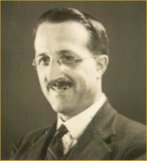
G.R.C. We have in mind what Paul refers to as “the end” in verse 24 of 1 Corinthians 15, “then the end”.
- It is the great end that divine operations are moving towards, and suggests finality.
- The passage deals with matters, to some extent, from an historical angle, yet, in the power of the Spirit, we are to antedate the end, arriving at it now in our spirits; and it is profitable to look at the order in which the great events take place.
Ephesians 3 is not historical, but rather has in view our arrival now at the end, in so far as the assembly is concerned in the service and testimony of God;
- we are to arrive even now in our spirits at the greatness of what the assembly is in Christ Jesus, the vessel of God’s glory and service and praise.
The passage in 1 Chronicles 29 links with 1 Corinthians 15, a remarkable passage if we take it as typical of Christ, proving what has been before us, namely, that the headship of Christ is to make way for the headship of God.
- David had no other thought in his mind. God made him head, He made him His firstborn, higher than the kings of the earth,
- but David had no thought in his mind whatever of using that position for his own aggrandisement.
- His whole aim was to use the great position God had given him as head in order to make way for the headship of God.
- So that it is the greatest moment of David’s life, when he rises to what he had ever had before him, and says,
- “Thou art exalted as head above all”.
- On the other hand, the passage in 2 Chronicles 5 may link more with Ephesians 3, as to the way we arrive at that at the present time in unity in the service and praise of God.
I think we should keep in mind that all these passages show what the perfect Man does for His God.
- It is the Son, of course, and all the affections of sonship enter into the matter;
- David and Solomon were typically in the place of son but, nevertheless, it is what a Man, the true Man, is doing for His God.
- It links with what the Lord Jesus says in John 20,
- – what He is doing for His God. And so the point in 1 Corinthians 15 is the Christ; it is the Man.
- “As in the Adam all die, thus in the Christ all shall be made alive”.
- The two heads are brought before us.
- “But each in his own rank: the first-fruits, Christ; then those that are the Christ’s at his coming”.
- There are those that are the Christ’s; but while He has great pleasure in them, His great aim is that all that comes under His hand should be available for His God.
J.P.H. As to what you have before you this afternoon, is it the perfect filling out by Christ of God’s great original thoughts in Genesis 1,
- “Let us make man in our image”?
G.R.C. It includes that, but also brings in the great return to God.
- Man set in headship in God’s image is to express the invisible God in His creation.
- But then headship has upward as well as downward functions.
- The Lord Jesus as head uses the immensity of His power and the great influence of His love, the love of the Christ, which surpasses knowledge, to gather up everything in the universe for His God.
- That is typified in David and Solomon gathering up everything in the way of response.
- On the one hand God is known through the head, who is His image;
- but on the other hand the Man who is head in the mighty power and influence of His love, which flows in all directions, towards His God as well as towards the assembly,
- gathers up all for the glory and praise of His God, and that is perfection in man.
- It is perfection in man to consider wholly and completely for God.
J.McK. So that you have the great return flow here; there has been the outward flow in declaration, and now the same blessed Person gathers everything up in a return flow.
G.R.C. That is just what I thought. I think we have to see those two sides of headship.
- On the one hand God is expressed in the head, He is the image of God;
- but then the fruit of that expression, as it takes effect, is that there is a vast response secured for God,
- and the perfection of man as seen in Christ lies in the fact that He gathers up all that response, which in one sense centres in Himself, and carries it to His God.
H.F.N. Would that be seen in Hebrews 2,
- “I will declare thy name”, and then,
- “in the midst of the assembly will I sing thy praises”?
- Is that the downward and upward feature?
G.R.C. I think that is right. The name declared, of course, is
- “My Father and your Father, and my God and your God”.
- And you get a somewhat similar order to that here, because it says,
- “then the end, when He gives up the kingdom to him who is God and Father”.
- That is the first thing, “to him who is God and Father”.
H.F.N. At the beginning of the meetings you made a very valuable remark, that we might sum it up in the thought of God and Christ, and Father and Son. Would these passages give us the great climax of those two lines?
G.R.C. They would, and they show that the climax of all is God. It is not that one would say one line was greater than the other exactly;
- but there is an ‘end’ in view; and I believe when we come to finality it links with the thought of God,
H.F.N. Would it be right to say that the two lines merge when we come to the great finality of God all in all? It is the day of God’s eternal supremacy, is it not?
G.R.C. Quite so.
Ques. Would “the end” refer to the end of God’s operations?
G.R.C. In contrast, you mean, to His rest. It is no longer a question of operations but of rest.
N.K.McL. The culmination of His ways?
G.R.C. Yes, and the final establishment of His purpose. “Then the end”. What a grand expression that is!
J.A.P. Do you have men in sonship connected in this way, in the eternal day?
G.R.C. That is the relationship men will always be in – sonship never ceases.
- When it says the tabernacle of God is with men, it means in sonship; that is the liberty of the position.
- “I will be to him God, and he shall be to me son”
- is the word to the overcomer. But then, it is men, not angels. It is in and through Man that God has secured His end.
Ques. God speaks about David as a man after His heart. Does that bear on what you said about what a man is to his God?
G.R.C. That is exactly what I had in mind. David was typically in the place of son with God,
- “I will make him my firstborn”;
- but God says of him,
- “I have found David, a man after my own heart, who will do all my will”.
F.D.W. Do you see the operational side set out in David in Psalm 132 with his longings for a place for Jehovah and for the ark, and then
- “Arise, Jehovah, into thy rest, thou and the ark of thy strength”?
G.R.C. That helps, because I think we have to see that the place for God is in the assembly.
- Through the assembly God will secure His place in the universe, but primarily the place for God is in the assembly – not exactly in the family, but in the assembly.
- I believe as the service proceeds on Lord’s Day morning we touch the blessedness of bridal and wifely relations with Christ, and we do not leave them behind – we carry them forward.
- We leave nothing behind, for all is cumulative in the service.
- Then we enjoy the fact that the assembly, which is His body and His bride, is the first of all the families;
- it is the assembly of the firstborn, and I think that is where the Father’s portion comes in; but that is connected with our privilege and our blessing.
- Then we move on to the thought of a place for God, His habitation, a place suited for One so great as God.
- Not that any vessel could contain God – the heaven and the heaven of heavens cannot contain Him –
- and yet the Man after His own heart, who has done all His will, has secured a place worthy of God, as the abode of His glory and service and praise, and that is the assembly.
- I believe we have to distinguish between a place for us in blessing and nearness in the Father’s house; a place in sonship with all its joy, and
- then the fact that under the headship of Christ the assembly becomes the place and abode for God.
J.McK. Is it significant that it is the assembly in Christ Jesus?
- I was wondering whether the peculiar lustre and glory of Christ Jesus, that order of man, entered into it.
- It is not just the position of the assembly as in Christ, it is not official; but is it not love’s way of referring to the assembly?
G.R.C. What do you mean when you say it is not official?
J.McK. Well, we have the two expressions used in the epistle,
- “in Christ” and “in Christ Jesus”.
- You have been speaking about the Man and what He secured for His God. I was wondering whether the tender sensibilities and glories of that Person are not now the portion of the assembly?
G.R.C. The assembly is wholly in accord with that Man.
- Our love for Him is greatly stimulated as we see in Him the perfect Man, who has considered so fully and completely for His God.
- Our hearts adore Him when we think of it, the Man who completely effaced Himself, even unto death and abandonment, as Psalm 22 shows, in order that His God might dwell among the praises of Israel,
- that His God might have a suitable place; and that place is the assembly.
- And the assembly loves that Man, and is under the influence of His love and feelings in such a manner that she is responsive to His God, and has an appreciation of His God, in measure like His own.
- And what an appreciation He has of God. Think of what the appreciation of God must be in a Man who is God.
Ques. Philippians 2 refers to the downward stoop, and the power which He has to subdue all things to Himself, and to His exaltation.
G.R.C. 1 Corinthians 15 indicates His power to subdue all things to Himself, and what He has in mind in doing it.
Ques. Does Christ Jesus bring in the great thought of finality, man as he is and where he is according to the purpose of God?
G.R.C. I think it does. “In Christ Jesus” is our status and also involves our state, according to God.
- The expression could never be used of angels. Angels are heavenly beings, but they are not in the heavenlies in Christ Jesus.
- We are raised up together, and made to sit down together in the heavenlies in Christ Jesus.
- That is a status in the heavenlies that no beings have had except those who form the assembly. No other company has such a status.
- The assembly in Christ Jesus is a greater conception than individual saints in Christ Jesus. It is the greatest conception of all. What a vessel! It is the abode of God’s glory.
H.F.N. Is your thought that we should entirely lose sight of ourselves, and have the ability to abstract ourselves? The assembly is wholly occupied with God and anticipates the day when God shall be all in all.
G.R.C. Exactly. I think if we touch the last verse of Ephesians 3 we do anticipate verse 28 of 1 Corinthians 15:
- “that God may be all in all”.
- As we anticipate that now, there is glory to God in the assembly in Christ Jesus, glory to Him in the service of praise that proceeds, and glory to Him in the testimony that flows out of it.
Ques. Could we have a distinction drawn between God as Father and God all in all?
G.R.C. Well, it says, “Then the end, when he gives up the kingdom to him who is God and Father”.
- He is Man, He is the Son, and came forth from the Father, and came into the world, and He has left the world and gone to the Father.
- He is continuing with the operations which have been entrusted to Him, but this passage indicates that the time is coming when all the operations entrusted to Him will be finished, and
- how comely it is that at the end He should give up the kingdom to Him who is God and Father.
- All things have been delivered to Him by His Father for a purpose which is viewed here as fully achieved.
- While He is achieving it He has a peculiar place of supremacy as Man.
- The prominent feature of the world to come is that it is the kingdom of a Man; the Lord speaks of the Son of man coming in His kingdom.
- But His kingdom serves to an end, and when that end is reached, according to God’s purpose, He gives up the kingdom to Him who is God and Father.
- The kingdom does not come to an end; the kingdom is an eternal thought, but it is no longer the kingdom of a Man, so to speak – it is the direct kingdom of God.
N.K.McL. Could you just enlarge on that, that the kingdom does not come to an end?
G.R.C. It is important to understand that the kingdom of God is eternal.
- In the millennial day, as to the public position, it is, in a sense, the kingdom of a Man, the Lord Jesus reigns.
- Although, according to the type of Solomon and David, He is on Jehovah’s throne, nevertheless it is a Man that is administering things and is prominent.
- But the final thing is that He gives up the kingdom to Him who is God and Father,
- with a view to the direct rule and influence of God as head, the God made known to us in declaration and revelation.
- He is the King of the ages, the immortal, invisible and only God.
J.A.P. What do you make of the expression “the Father’s kingdom” in that regard?
G.R.C. “Then shall the righteous shine forth as the sun in the kingdom of their Father”.
- It is a comforting thought: God is their Father. The reference is to the millennial kingdom.
- It is really the kingdom of Christ, but at the same time it is the kingdom of their Father, which I think is very precious.
- God is known to us in the Father, and that must enter also into the eternal aspect of the kingdom.
J.McK. Would the new heavens and the new earth wherein dwells righteousness imply that an administration in love continues?
G.R.C. It would. And I believe that involves the acknowledgment of God in His supremacy – it would not be righteousness otherwise.
- He is supreme in love and in majesty.
- In the new heavens and the new earth there will never be another challenge to the complete supremacy of God as King of the ages and as head above all.
- This glorious Man brings a state of things to pass in which the headship of God is beyond the reach of any challenge,
- for the glory of God radiates in Him as the image of the invisible God, and through Him the response to God is fully secured.
W.W.S. Is the thought of the kingdom being an eternal one confirmed in the place given to subjection in verse 28?
G.R.C. I think it is, and I think there are other passages which confirm it.
- Mr. Taylor has drawn attention, you will no doubt remember, to verse 50 of this chapter,
- “But this I say, brethren, that flesh and blood cannot inherit God’s kingdom, nor does corruption inherit incorruptibility”.
- Thus in the final phase flesh and blood do not enter into it, whereas in the world to come people on earth will be blessed in flesh-and-blood conditions.
Ques. Does the throne of verse 5 of Revelation 21 link on with the eternal setting of the kingdom:
- “He that sat on the throne”?
G.R.C. Yes. “He that sat on the throne said, Behold I make all things new”.
- That is a proof that the kingdom goes on to eternity. It is the new creation, but there is One who is on the throne.
- There is also a city, which shows that while administration is not prominent, for no gates are mentioned, yet there is administration in the sense of light and influence from the city.
Ques. Could we have a word as to the Son also Himself being placed in subjection that God may be all in all.
G.R.C. I think the idea of the passage is that the kingdom in the hands of a Man ceases.
- The Son is one of the greatest titles the Lord has, and always brings to mind His Deity, and yet it is a title that only applies to Him in manhood.
- His kingdom does not come to an end in the sense of failing, for it says in Luke
- “of his kingdom there shall be no end”.
- It is given up in as great power and vigour as when it commenced.
- It does not therefore really come to an end, but it is given up to Him who is God and Father,
- so that instead of the kingdom of a Man you have the direct rule of God.
F.D.W. Could it be said that here the great objective in view in the economy of God has been reached?
G.R.C. The operations of God, I think, have reached their end, but the economy goes on to eternity.
H.F.N. Is not the throne of God in the Old Testament connected with the Ark and the Mercy Seat? That would give the throne an eternal setting, would it not?
Ques. “Thy throne, O God, is to the age of the age”. Does that go beyond the world to come?
G.R.C. I would not think so. I think that is a reference to Christ Himself:
- “Thy throne, O God, is for ever and ever; a sceptre of uprightness is the sceptre of thy kingdom: thou hast loved righteousness, and hated wickedness”, Psalm 45: 6-7.
- I think it shows that the assembly – applying the Psalm to the assembly – has always a great appreciation of the Deity of Christ.
- When we are responding to Him as our Beloved, and as Head of the assembly, we are always mindful of His Deity.
- Psalm 45, Colossians 1, and the Lord’s presentation of Himself as
- “the root and offspring of David”
- all confirm this. He is peculiarly attractive to the bride as “the root and off-spring of David”.
J.A.P. Would mediatorship go on to eternity?
G.R.C. Yes, in the sense that the Lord Jesus is the One in whom God is manifested and expressed.
- As was said this morning, God is known to us eternally in revelation and relationship in the Father,
- and He is expressed and manifested eternally in the Son, for we see God nowhere else,
- and He dwells in us eternally in the Spirit.
- But it is all God. That is the God we know.
E.R.F. Do you think Mr. Darby had the eternal character of the throne in mind in the hymn
“Thy counsels too in all Thine own
Fulfilled by power divine,
Spread wide the glory of Thy throne,
Where all in glory shine”?
G.R.C. I would say that is the throne of Revelation 21. What about that, Mr. McL?
N.K.McL. Very good.
H.F.N. Was not the vision in chapter 5 given to impress John with the eternal stability of the throne in contrast to the failure of the assembly?
G.R.C. I would certainly go with that. There is the throne, and One that sits on it.
- The Person is not defined because it is God as God that is in mind. If the Person is Christ, it is as representing God.
- And then the Lamb is there, in the midst of the throne.
H.F.N. Will you just say a few words as to how this is going to affect us in the service of God, because I know that is in your mind.
G.R.C. I am hoping that we shall come more into the flow and current of Christ’s own affections and feelings towards His God, and I believe that is what is in mind in Ephesians 3.
- It says “to know the love of the Christ”.
- It does not say the love of the Son, though He is the Son, but to know the love of the Christ, the love of that Man, the love of the Christ which surpasses knowledge.
- The love of the Man who could say in type,
- “I love my master, my wife, and my children”;
- it is a love which flows in all directions and gathers up everything in the universe for God.
H.F.N. I think it used to be said that the love of the Christ was the love of the husband.
G.R.C. I think that restricts it too much. I believe the love of the Christ is one indivisible love which flows in all directions,
- the love of a perfect Man, and the love of a perfect Man must have God as its supreme Object; otherwise He would not be a perfect Man.
- He must have God as His supreme object, and His wife as His next object, and His children as His next object, which may, if we just apply it, take in the other families.
J.F.G. As we come into the gain of what you are saying we could certainly say eternity has begun, could we not?
G.R.C. That is just what we could say.
N.K.McL. “I love my master, my wife, and my children”. My master comes first.
G.R.C. That is right, and it could not be otherwise. It would not be the love of a perfect Man if God were not first.
Ques. Would the Son being placed in subjection be the supreme act of love? It is not the thought of obligation there, is it?
G.R.C. The way it is put is extraordinary. It does not say anyone put Him in subjection; it is put in an impersonal way,
- “Then the Son also himself shall be placed in subjection to him who put all things in subjection to him”.
- It is most holy ground and one ought not to say much about it, but undoubtedly it is a love matter, and the will of God, in the Oneness of Supreme Being, enters into it.
Ques. Does subjection make way for headship, for God to have His place as head?
G.R.C. It does, and so it says,
- “He has put all things in subjection under his feet”.
- Everything else is brought into subjection, and then it says,
- “When all things shall have been brought into subjection to him”.
- Once that is done, and all are recognising the headship of the Son, then the Son, as it were, makes way for the headship of God. His whole service has had in view the headship of God.
- David, in 1 Chronicles 29 is a type. Having subdued everything and having all under his sway, then he says,
- “Thou art exalted as head above all”.
J.McK. Is it remarkable that the apostle should present this wealthy parenthesis to the Corinthians?
G.R.C. It is. You would not expect to find it, would you? Say some more about it.
J.McK. Would not this passage of such infinite wealth make the Corinthians ashamed of their poverty? The devotedness of the Son and His place in subjection would all be a word to them, would it not?
G.R.C. That is very helpful, because they were insubject, were they not, and were boasting.
J.McK. And ruling, ruling as kings.
G.R.C. What a state of affairs! You cannot think of anything which would come with such a rebuke to them as this passage, for they see the perfect Man and His operations, and what is the final end.
Rem. The apostle seems to confirm that, does he not, in this second letter when he says,
- “Whatever promises of God there are, in him is the yea, and in him is the amen, for glory to God by us”?
G.R.C. Very good. That is the great end: glory to God by us. And that really has its final expression in
- “To him be glory in the assembly”.
Ques. Where it says in relation to all being put under him
- “the last enemy that is annulled is death”,
- does that imply that there is to be no cessation of response?
G.R.C. You mean it is the land of the living? Quite so. It is a living system, so that there will be no cessation of response.
J.P.H. We would like help as to this very great matter, the assembly being available to Christ responsively to God. We love to come into it. Could you help us more?
- I think you said that the assembly does not cease in the service of God as such, at the point of union with Christ or something to that effect.
G.R.C. It does not cease at all. The assembly is not limited to one phase of the service.
- There is the assembly’s personal relation with Christ, the reciprocal affection and delight between the Christ and His assembly.
- That lays the foundation for what the assembly is as the habitation of God, as the s9riptures indicate.
- The vessel which is said to be prepared as a bride adorned for her husband is the tabernacle of God; she is that because of her relations with Christ.
- She loves Christ, He is enshrined in her affections, and in such a vessel as that, where Christ is enshrined, like the ark enshrined in the tabernacle, everything is pleasurable to God, and entirely in accord with God, and there God dwells.
- But then Christ is not only the centre, like the Ark, but is active in His love, as the true Solomon, to secure full response to His God in such a vessel.
J.P.H. Well, I think I can speak for us all and say that we would love to be helped about this passage, and the parallel passage in Hebrews 2,
- “In the midst of the assembly will I sing thy praise” – the manner of it.
G.R.C. Well, we must keep in mind the versatility of the assembly. The word to John is,
- “I will show thee the bride, the Lamb’s wife”,
- but what he is shown is a city. She is the city because she is the bride, the Lamb’s wife.
- Because she is the true wife she can be trusted with divine administration, so she becomes the city of God.
- Her bridal and wifely links are all with Christ, not with God, but because she is held thus in affection for Christ, and under His headship and influence in everything,
- therefore she becomes the city of God, God can trust her even as He trusted Christ with His administration and interests.
- And so with the service of praise, the vessel which is
- “prepared as a bride adorned for her husband”
- is the tabernacle of God, where His service goes on through all eternity, because of the very great place Christ has in her affections.
- He has her completely under His influence and control. So that I think we have to see that the idea of the bride and the wife merges in the city and in the tabernacle.
T.W.C. Does John 17: 22 help,
- “And the glory which thou hast given me I have given them, that they may be one, as we are one; I in them and thou in me, that they may be perfected into one and that the world may know that thou hast sent me, and that thou hast loved them as thou hast loved me”?
G.R.C. I believe that verse is a help in this matter.
- “I in them and thou in me” involves a place for God. “I in them” is like the ark enshrined in the house,
- and where the ark is there is the place for God, “thou in me”.
F.D.W. Is not all this to draw us in to being contributors in love? Is that not seen in the way David operated with a view to others contributing for the house?
- I was thinking of what he contributed of his own, thus giving a lead to all those who were willing to be themselves contributors. Is that in line with what you have in mind?
G.R.C. It is, because I think that is how we see the headship of David working out, David loved his God supremely, and his God was his great objective, and he brought the people into line with himself. Will you please read the verse?
F.D.W. “And I know, my God, that thou triest the heart, and hast pleasure in uprightness. In the uprightness of my heart have I willingly offered all these things; and now have I seen with joy thy people, which are present here, offer willingly to thee”, 1 Chronicles 29: 17.
G.R.C. It illustrates the working of headship. What a joy it is to the heart of Christ to see all the saints moving in the current of His own affections towards God, all willingly offering, all wholly and without reserve in the service of God!
H.F.N. Is that not touchingly confirmed in verse 10,
- “And David blessed Jehovah in the sight of all the congregation; and David said, Blessed be thou, Jehovah, the God of our father Israel, for ever and ever” and so on;
- and then the people are brought into the current of it, are they not, in verse 20,
- “And David said to all the congregation, Bless now Jehovah your God. And all the congregation blessed Jehovah the God of their fathers and bowed down their heads, and did homage to Jehovah and the king”. Is that it?
G.R.C. That is very beautiful, and I believe the two sides of worship are expressed there.
- “All the congregation blessed Jehovah the God of their fathers”
- would be what is expressed, I think, in the way of praise and thanksgiving,
- whereas the bowing down their heads is the inward prostration of heart.
A.G.B.. What bearing would verse 17 have upon our localities in carrying these great thoughts in our hearts as David did, evidently from the earliest of his days, and working to an end?
G.R.C. If we are under the influence of the true David, I believe that our great concern will be that there should be a place for God in each of our localities.
- Perhaps as a result of our being together today there will be a better place for God than there ever has been before.
- I think we must distinguish between the family idea, which is our blessing and privilege, affording liberty with God, and which underlies the truth of the assembly,
- and the assembly itself, which is a vessel, a place for God, a place worthy of God in His greatness.
- Even in the local setting it is intended to be that; the assembly of God in Corinth involves a place for God in that city. Is that right, Mr. B.?
A.G.B.. That is what I had in my mind. I was just wondering how far these thoughts coming into our hearts perhaps in early days may develop as they did with David and be brought to finality.
G.R.C. That is very important. There will be something for God if we all go away under the influence of the love of the Christ, for then
- our chief concern in our localities will be to secure a state and condition among the saints suited to God; and His service – worthy of One so great as God.
F.R.H. What is the bearing of the care meeting on the service of God?
G.R.C. The greatest thought of care as I understand it is caring for the assembly of God, a most remarkable expression.
- There is the thought of caring for the sheep and shepherding the sheep, but the greatest matter of care, I believe, is caring for the assembly of God.
- You have in mind that vessel, and that it should be what it is intended to be.
J.McK. Do you think that whilst you may speak of David typically, yet this would be the way to help this line of truth forward in our localities?
- Blessing Jehovah is perhaps one of the most effective ways of getting the truth into the hearts of the saints.
G.R.C. That is a most interesting thing, because the service of song is prophetic, is it not?
- According to 1 Chronicles 25, some singers were to prophesy with the lute and harp and cymbal, and others prophesied under the direction of the king, and others prophesied with the harp to give thanks and to praise Jehovah.
- The service of song and thanksgiving in the assembly is the most powerful way, I believe, of bringing the saints into the mind of God.
- The idea of prophecy is that you bring people into the mind of God.
- In the service of song it is not prophecy as bearing on our state, but prophecy in a greater sense, as bringing people into the mind of God according to His purpose;
- because that aspect of the service, its prophetic aspect, is not for God.
- He does not need prophecy; it is for the saints. So that Ephesians 5: 18-20 begins with speaking to yourselves.
- While God is before us, we speak aloud and speak distinctly, so that the brethren should hear, in order that all may be carried and transported into the realm of things that we are speaking or singing about.
- That is the idea of prophecy in song, the word music means transport. See footnote to 1 Chronicles 15: 22. We are transported into the realm of things of which the song speaks.
J.McK. I have been struck with the way in the Old Testament, when the Spirit is speaking expressly, He often takes up verse to do it as though to bring the matter quickly into our affections.
G.R.C. That would indicate, among other things, how important the hymn book is, and how important that the hymn book should be accurate.
- Not that we can get perfection, but the hymns we have had during these few days have been remarkable.
- They have helped us all on into the very realm of things we are talking about; they have been prophetic.
J.McK. Does Mr. Darby not make a comment in his preface that the hymn should be a sustained vehicle of the truth which sets our souls in communion with Christ, and even with the Father?
Rem. So the thought of leadership in praise would bring that in too, would it not? The thirteenth verse,
- “And now, O God, we thank thee, and praise thy glorious name”
- – that would have a great effect, the people joining in.
G.R.C. It does have a great effect, and brings us into things, in a way in which we cannot be brought into them otherwise.
E.J.B. Is this involved in the verse that has been referred to in Hebrews 2,
- “In the midst of the assembly will I sing thy praises”?
- He can rely fully upon the assembly to enter into His thoughts of His God? And in the way of song He sets it on.
W.W.S. I should like to ask if there is a refinement conveyed in song which cannot be expressed in any other way?
G.R.C. There is refinement. It is prophecy which is not bearing on state.
- In a ministry meeting, prophecy has to bear often on our state, but the benefit of the service of God is that if things are right it contains a prophetic element of the most positive kind,
- which brings the mind of God relative to His purpose so powerfully into our souls that we are transported into the realm of purpose.
H.F.N. Have we an illustration of that earlier in David’s history? When he brings up the ark it says,
- “Then on that day David delivered this psalm to give thanks to Jehovah, to Asaph and his brethren”, and so on.
- Is that an illustration of how it would work in the assembly as Christ gets His place?
G.R.C. You are thinking of David there as a type of Christ. It seems to indicate how Christ gives the lead, does it not, that David handed the psalm to Asaph and his brethren, but it came from David.
H.F.N. Quite, and do you not think in regard to our service there would be more freshness and originality about it – I mean divine originality – and a more living character, if what you have been speaking of in relation to Christ really had its place in our hearts.
G.R.C. There would, and I believe that expression
- “to know the love of the Christ which surpasses knowledge”
- is just what we need to keep us in that freshness. We are kept in the current of the love of the perfect Man.
- We are in the current of His love for His God, as well as in the current of His love for His assembly.
H.F.N. I am glad you mentioned that. I had always looked at that scripture in relation to the Christ as meaning that all the husband’s interests were in the heart of His wife, Christ dwelling in the heart by faith.
- But I think, as we are viewing it now, it is something worth thinking over – the love of a Man and reaching out to the whole universe.
G.R.C. Yes, but then the greatest interest in the heart of the perfect Man is His God. So that as the assembly embraces His interests she embraces His chief interest, and His chief interest is His God.
H.F.N. Well, that is what I am thankful for. I think we have all got help on the point; I trust we have.
- I feel that I have got a wider view of it today than I have had before, and it must lead up to God.
- “To him be glory in the assembly in Christ Jesus unto all generations of the age of ages. Amen”.
G.R.C. And does it not indicate how we arrive at the: fulness of God?
- Knowing the love of the Christ for His God would make us sensitive, so that in our measure we should appreciate His God as He does, and who can measure the appreciation of that Man, who is God, for God.
- We cannot measure it, and yet we are to be filled to all the fulness of God.
Ques. Is not the expression “My God” in Revelation 3: 12 used by the Lord in His present position?
G.R.C. His word to Philadelphia comes from Him in His present position.
- It is not only His resurrection position as in John 20, but as the ascended and glorified Man He still says “my God” –
- “the name of my God, and the name of the city of my God”.
- He has got the assembly before Him as the vessel which is alone suited to be the residence of the glory of His God – the city of His God, the new Jerusalem.
- You might say, He is thinking of His bride; she is His bride, but He is not thinking of her in that connection;
- He is thinking of her as the vessel suited to be the residence of God’s glory.
J.F.G. Would you be free to say another word as to John 20. Is the Lord seeking to lead our affections not only to the Father, but, as He says, to “my God and your God”? How far would that go?
G.R.C. As far as ever our spirituality permits, I would say. What do you say?
J.F.G. While the Lord says “my Father and your Father”, we touch the Father, but is not the great end in assembly service what you are bringing before us now – to reach on to the headship of God?
G.R.C. That is just what I have in mind. “My Father and your Father” – we delight in the family side of things; the Father has named every family, in heaven and on earth.
- But for an adequate abode of the divine glory a formed and sensitive vessel is needed.
- The family must underlie this; the family is our privilege and our blessing, and our liberty is connected with it, and the Father has a great place in our responsive worship.
- But when you come to “my God and your God” it involves the assembly as a vessel of the divine glory and service.
Ques. Does the thought of exceeding magnifical come in?
G.R.C. Yes, it does. God is so great, that, as David says,
- “the house is not for man, but for Jehovah Elohim and it must be exceeding great in fame and beauty in all lands”.
- And that is what the assembly is; the assembly is exceeding great in fame and beauty throughout the universe.
- There is no vessel like it; it is an adequate vessel to be the residence of the divine glory.
A.G. Is there a touch on that line in the end of Ephesians 3,
- “exceedingly above all that we can ask or think, according to the power which works in us”?
G.R.C. Quite so. That is a very encouraging verse as we think of these great matters, that the God who is the great objective in these things
- can do exceedingly above all we ask or think according to the power that works in us.
- And that is what He is doing. He is always doing more than we ask or think. He does it continually, even in our local settings.
- We pray about the ministry meeting, and when we come home we say, He did more than we asked or thought; we could not have conceived that words like that would have been given.
- God is always acting like that, because He has this great vessel in view.
Ques. Is that also suggested in 1 Chronicles 29: 12,
- “Thou art exalted as head above all; and riches and glory are of thee, and thou rulest over everything; and in thy hand is power and might, and in thy hand it is to make all great and strong. And now, our God, we thank thee”?
G.R.C. It is a most encouraging word,
- “In thy hand is power and might; and in thy hand it is to make all great and strong” – it links with
- “the power which works in us”.
- God makes all who form the assembly great and strong to fill out their part in such a vessel.
J.P.H. Would you be free to compare the language in
- 1 Chronicles 29,
“Thou are exalted as head above all”,
- with 1 Corinthians 15, “God all in all”?
G.R.C. I would think there is a link, because 1 Corinthians 15: 28 says,
- “the Son also himself shall be placed in subjection to him who put all things in subjection to him”.
- I would think that would link on with the thought of
- “Thou art exalted as head above all”.
- And then it goes on, “that God may be all in all”.
- It is where the headship of God is recognised without challenge that this blessed state of things will be actually brought about, and it is to be brought about now if there is a state and condition for it.
F.D.W. I wondered if “all” would link our minds with His headship, and “in all” the power to respond to it.
G.R.C. Yes. “All” as object, you mean. I think so. He is “all in all” – a wonderfully close expression.
J.F.G. Have you a word to say in regard to 2 Chronicles 5: 13?
G.R.C. I do not think we need to say much about it. It does bear on what has been said as to unity in our localities. It has a wider bearing, we know; but it says,
- “it came to pass when the trumpeters and singers were as one to make one voice to be heard in praising and thanking Jehovah; and when they lifted up their voice with trumpets, and cymbals, and instruments of music, and praised Jehovah; for he is good, for his loving-kindness endureth forever; that then the house, the house of Jehovah, was filled with a cloud”.
- It seems to indicate how the being filled to all the fulness of God comes about.
- These persons were so under the headship of Christ typically, under the influence of the love of the Christ that surpasses knowledge, which is represented in Solomon in all his active love,
- that they were brought into complete unity in the service and praise of God, and the house was filled.
- Typically they were filled to all the fulness of God.
Page Top Reading 5 Top
SON OF MAN,
SON OF ABRAHAM, SON OF DAVID |
|---|
Address by G. R. Cowell, Birmingham, April 1953
Genesis 3: 14-15; 22: 15-18
Psalm 132: 1-5; 2 Corinthians 1: 19-20
The Headship of Christ and of God: 96-105
|
|---|
I have read a number of scriptures, dear brethren, but I have three thoughts in my mind:
- and that is to speak of the Lord Jesus
- as the Son of man,
- as the Son of Abraham
- and as the Son of David.
- In all those aspects of His manhood He was the subject of promise.
Although the words read in Genesis 3 were said to the serpent, they came in the nature of a promise to mankind, and refer to the Lord Jesus as the Son of man,
- “he shall crush thy head, and thou shalt crush his heel”.
- Then Abraham was promised a seed in and through whom the blessing was to come,
- Thirdly, God promised David a son who would build God’s house, and God said,
And the passage we have read in the New Testament says that whatever promises of God there are, the yea and amen is in the Son of God, and that is the truth.
- No mere son of man could have fulfilled the promise of Genesis 3; the great truth is that the Son of man is the Son of God.
- No mere son of Abraham could have fulfilled the promise of blessing which was made to Abraham; the great truth is that the Son of Abraham is the Son of God.
- And no mere son of David could have built God’s habitation; the truth is that the Son of David is the Son of God.
- So that whatever promises of God there are, in Him is the yea and in Him the amen for glory to God by us.
The word to Mary in Luke is
- “the holy thing also which shall be born shall be called Son of God”, Luke 1: 35;
- and it is made clear that the Person coming in was God Himself –
- “a Saviour … who is Christ Jehovah”, 2: 11.
- The Son of God is God Himself in manhood.
- What a marvellous truth that God Himself has come into manhood to fill out His promises; therefore they cannot fail, whatever promises of God there are; in Him is the yea and in Him the amen for glory to God by us.
- It is a great thing to lay hold of the truth of the incarnation.
- In the first chapter of Luke it says the Lord God shall give unto Him the throne of His father David, for He is the Son of David, but it is also said,
- “the holy thing also which shall be born shall be called Son of God”.
The matter of promise stands related to purpose; but whereas purpose refers to what God has determined for His own pleasure and satisfaction,
- promises are those elements of purpose, if I might use such a word, which faith requires to encourage it.
- And so God has graciously made promises right from the beginning of time. It is a proof of His love that God makes promises to encourage faith.
Son of Man
As soon as sin came in He promised that there should be a son of man who would crush the serpent’s head.
- What a wonderful thing that the Lord Jesus has come in, and in Him, as we have said, God Himself has come in to deal with this matter, but it must be met in man.
- By one man sin entered into the world, and death by sin, and the disaster could only be retrieved in man; the challenge could only be met by man –
- it necessitated the incarnation.
- Unless it could be met in a man, then all God’s purposes as to man would come to nought.
- The word was, “Let us make man in our image, after our likeness”.
- But disaster had come in, the challenge and the disaster must be met in and by a man, and God immediately promised that Man, because He had the Man in reserve, the Son of God. He was to come, born of a woman,
- “when the fulness of time was come God sent forth His Son, come of a woman”.
- Marvellous thing! It should affect our hearts to think of the lowliness of the way Jesus came and the grace on His part to take up man’s case for God’s glory when we were absolutely helpless and powerless;
- sin having come into the world and death by sin, we could do nothing about it at all.
- What wonderful grace that the Lord Jesus should come as Son of man, to
take up man’s case before God, and to meet it all for the glory of God. So that referring to His death He could say,
- “Now is the Son of man glorified, and God is glorified in Him”.
- He was going to take up the whole of man’s case, and represent man in his fallen condition before God and deal with the whole matter, at infinite cost to Himself, to God’s glory.
- In that the Son of man was glorified; it was an amazing display of moral glory in a man, that He should be prepared to go that way, that He should be prepared to be lifted up.
- The wonderful thing is, that He continually speaks of Himself under this title. Others do not, for faith looked on, faith recognised the Son of David, and confessed Him as such.
- But the Lord Jesus says, “the Son of man”.
- “The Son of man came not to be ministered unto but to minister”.
- The Son of David will be ministered unto; royal splendour belongs to Him and thousands upon thousands will minister to Him.
- But the Son of man came not to be ministered unto but to minister and give His life a ransom for many.
- A foundation had to be laid before the glory of the Son of David could come in.
- It was the only way in which the position could be retrieved – to minister and to give His life; that was the end of His ministry: to give His life.
- How much are we prepared to give for the saints and for God’s glory? That is where His ministry ended.
- We may think that there is a certain glamour attached to ministry, but the end of ministry with the Lord Jesus was to give His life.
- Nothing else that He ministered would have been effective if He had not gone all that way, and given His life a ransom for many. Blessed Son of man! And how great the results have been!
- “He shall crush thy head”.
- The attack of Satan was a well-devised attack; think of Satan coming in this form, the form of a serpent, that old serpent, the devilish wisdom that marks the old serpent.
- Satan had his plan, but the way the Son of man has gone has crushed his head. All Satan’s plans have been thrown into confusion, never to be retrieved, so that God’s plans might go forward without let or hindrance.
- “He shall crush thy head, and thou shalt crush his heel”.
- The Lord suffered, but He was not detained on His way, it was only His heel. The sufferings were real, unfathomed, but the Lord was not detained;
- the atoning sufferings, as it were, were taken in His course, in the course of His path of obedience to the Father’s will;
- but He has crushed the serpent’s head; Satan’s plans are for ever defeated, and God’s plans are going through.
- Blessed Son of man! How much we owe to Him!
- So that all God’s thoughts and purposes as to Man stand, nothing has broken down, God’s eternal purpose as to man stands, not simply what He had in mind as to Adam personally,
- but the greater thoughts that God had in mind as to the Son of man are now established in Christ, in His headship over all things.
Son of Abraham
Now I pass on to the Son of Abraham. With Abraham blessing is connected,
- “surely blessing I will bless thee”,
- and the greatest blessing, I suppose, that God has for man is sonship.
- Blessing, sonship, the family, are all connected with Abraham.
- The Son of Abraham is the Son of God, and not only that, but He is the only-begotten Son.
- What comes to light in Abraham and Isaac is the truth typically of the Father and the Son, and it is in that connection that the blessing comes to us, the blessing that God has in His mind for men.
- God’s thought is to fill heaven and earth with families, every family is to know sonship in its measure, and if the blessing of Abraham was to come to us it involved what God says to Abraham,
- “Take now thy son, thine only son, Isaac, whom thou lovest … and offer him up for a burnt offering on one of the mountains that I will tell thee of”.
- In this type the affections of the Father and the Son are brought out. What it meant to the Father and to the Son to take that journey together, as the scripture says,
- “thine only son … whom thou lovest”.
- How Abraham loved that son, but God in speaking to Abraham was looking on to a time when He would take such a journey Himself, when He would have here His only Son, whom He loved.
- It awaited the incarnation for God to be known as the Father.
- The Person we know as the Father, one would judge, could hardly take that name until the Son was here,
- and yet it is in that relationship that the most precious affections connected with God Himself have come into expression.
- As we were considering this morning, John says as to the Lord Jesus,
- “We have contemplated his glory, the glory as of an only-begotten with a father”.
- There is the double glory there, the glory of the Only-Begotten, and the glory of the Father. There is a glory attaching to both.
- We can well contemplate the glory of the Only-Begotten; what affection, what obedience, what devotion to His Father’s will, what holy communion, as with Abraham and Isaac!
- Isaac says, “My father”,
- and he says, “Here am I, my son”.
- How precious the communion between the Father and the only-begotten Son!
But then scripture speaks, too, of the glory of the Father, and the coming in of Christ has brought out the glory of the Father.
- He was raised from the dead by the glory of the Father.
- The glory of the Father has to be distinguished from the glory of God.
- The glory of God stands related to the nature and attributes of the Supreme Being, specially coming into display in dealing with the sin question,
- but bringing out what is there in God Himself, that God is light, and God is love.
- But the glory of the Father links with the purposes of divine love – with affections in God, which could not be satisfied apart from family relationships, tender, intimate, affectionate relationships.
- So that the Lord Jesus came into manhood, the Word became flesh, in order that these tender and affectionate relationships might come into display.
- The love of God requires nothing in its object to draw it out, for God is love.
- But there are also affections in God which have found expression in the love of the Father, which could only come into display in the presence of an Object adequate for them.
- In the only-begotten Son here there was an Object adequate for these affections, and so the Father came into view in relation to His only-begotten Son.
- The Father has become known and the riches of His glory have shone out – the One who will fill heaven and earth with families named of Himself.
- The affections which rest with such satisfaction on the Son embrace now all those taken into favour in the Beloved, and will, in some measure, extend to all the families named of the Father.
- God delights in these families. He says to Abraham in Genesis 12,
- “In thee shall all the families of the earth be blessed”
- – all the families. And we know that now it is not only a question of earthly families, but of heavenly.
- How marvellous the promise of a Son to Abraham; the One who, coming, would bring in the blessing of sonship, through whom families will fill heaven and earth, families named of the Father, brought into such tender relationship.
- And of course the assembly is the nearest and most blest of all the families, the first of all the families – the assembly of the firstborn – so that the Lord Jesus says,
- “I go to prepare a place for you, that where I am there ye may be also”.
- That is the place of the assembly viewed as a family. What a place we have in the Father’s house! The first of all the families. What blessing has come in through the Son of Abraham!
Son of David
Now I pass on to the third title, the Son of David. These titles are cumulative. God says of David,
- “I have found David, the son of Jesse, a man after my heart”,
- so that we must carry forward what is connected with the Son of man into this,
- “who shall do all my will”.
- And God says, “I will make him firstborn, the highest of the kings of the earth”,
- so that we must carry manhood and sonship into the truth of the Son of David.
- The Son of David, that is Solomon, is peculiarly a type of Christ as Son, as we know; yet in David and Solomon – and we must view them together as a type – manhood is seen in its glorious character.
- God’s greatest thoughts as to man, as far as the types go, come into expression. It says of David,
- “a man after my heart, who will do all my will”.
- What is all God’s will? It is certainly God’s will that the challenge should be met and that the serpent’s head should be crushed, but that is not all God’s will.
- It is certainly God’s will that heaven and earth should be filled with families named of the Father, but that is not all God’s will.
- What is involved in all God’s will?
- There may be other things, but what is involved in it is the formation or building of the assembly as the habitation of God; the bringing in of a vessel adequate for the display of the glory and greatness of God.
- And that is what marks David.
- “Jehovah, remember for David all his affliction; how he swore unto Jehovah, vowed unto the Mighty One of Jacob: I will not come into the tent of my house, I will not go up to the couch of my bed; I will not give sleep to mine eyes, slumber to mine eyelids, until I find out a place for Jehovah, habitations for the Mighty One of Jacob”, Psalm 132: 1-5.
- As far as a type could be, David is a type of the perfect Man.
- Perfection in man lies first and foremost in this, that he considers, before everything else, for his God.
- He is willing for complete self-effacement, the greatest self-abnegation for the sake of his God.
- That is perfection in man, seen in its fulness, alone in Jesus. It involves the love of the Christ which surpasses knowledge; His love for His God.
- David and Solomon are a type of Christ, the Anointed. It is the glorious state of man that is before us here.
- The Son of man coming in lowliness to meet the challenge, to crush the serpent’s head, is one thing;
- but now we have Man in glory, the Christ, the Anointed of God, the true David.
- Thousands upon thousands minister to this great and glorious Person, the glorious Man, the glorified Man.
But then, think of the love of the Christ. The Christ is the perfect Man, and therefore
- the primary feature of the love of the Christ is His love for His God.
- Even in human affairs if a man loves his wife more than his God that would be idolatry, that would not be perfection in a man.
- But the Christ is the perfect Man, and the love of the Christ is the love of a perfect Man, and therefore first and foremost it is His love for His God,
- “I love my master, my wife, and my children”
- – a perfect love which flows in all directions.
- But what we see in David is love for his God. He swore and vowed to the mighty God of Jacob,
- “I will not give sleep to mine eyes, slumber to mine eye-lids, until I find out a place for Jehovah, habitations for the Mighty One of Jacob”.
- What a man David was! But yet he was only a feeble figure of the One who was to come, the Lord Jesus, the Man entirely devoted to His God, who would find a place for His God, a habitation.
- And so we find in the twenty-second psalm, a Psalm of David, the depths to which the Lord Jesus went as the Son of David,
- “My God, my God”, He says, “why hast thou forsaken me?”
- You may say to me, I thought that was His atoning sufferings for me. That is true, but there is more than that in it.
- It is His atoning sufferings for God’s sake; it is what He was doing for God.
- “My God, my God”, He says, “why hast thou forsaken me? Why art thou so far from helping me?”
- Sins are not mentioned in this psalm as far as I see. I am not saying He was not abandoned because of sins, but that is not the point.
- The point is the depths to which He went for His God.
- “Thou art holy, O thou that dwellest amidst the praises of Israel”.
- That is why He was there, from the standpoint of this psalm. Not simply to work atonement for you and for me, He was there for His God, and
- this shows the extent of His devotion to His God, the One who would at all costs secure a place for God, habitations for the Mighty God of Jacob.
Where will God find His habitations?
- “O thou that dwellest amidst the praises of Israel”.
- He would secure a vessel of praise, worthy of God in all His greatness as God.
- What a wonderful type! What wonderful language David expresses, language which can only, in the full sense, belong to Christ!
- It is worth reading this psalm, dear brethren, from the standpoint of what the perfect Man did for His God. And as soon as He comes forth from death He says,
- “I will declare thy name to my brethren”.
- What name? The name of His God! It involves the name of the Father, but it is not limited to that.
- “My Father and your Father”.
- That is the Abraham side of things, it connects with the Son of Abraham, really. It is the blessing, the intimacy, the family. But
- involves the assembly, the vessel of God’s glory and service and praise. He has secured the assembly for God.
But then, you see, David and Solomon secure the assembly in a practical way, because they are so lovable; they are typical of Christ as the Beloved.
- David’s name means beloved.
- Jedidiah means the beloved of Jehovah.
- They were beloved men.
- Think of a man who could write the Song of Songs. The Song of Songs is full of the King, for the Beloved is the King.
- In other words, the Beloved is the Christ, He is the head. The spouse delights in Him as the King. He is head over all things to her.
- That is the idea of the Song of Solomon as applied to us, what the King is to the assembly.
- Psalm 45, a song of the Beloved, also brings out what the King is to the assembly and what the assembly is to the King.
- But you see we have to let things merge. We cannot carry one type too far, for one type merges into another.
- There are women who are types of the assembly, in connection with David and Solomon, but then the type merges into the assembly of Israel. They come to David and say,
- “We are thy flesh and thy bones”.
- He became the beloved of the whole assembly of Israel.
- In a coming day, Israel will again be marked by affections like that for Christ Himself, and the Song of Solomon, in measure, will be taken up by Israel.
- The Lord Jesus will become their Beloved, and so, you see, the thought of the spouse merges into the whole assembly of Israel, and what influence David and Solomon secured over the whole assembly of Israel.
- Under the influence of their love the whole assembly became tributary to God and the service of God.
- Why? Because they were under the influence of the love of the Christ which surpasses knowledge, as typified in the love of those two men, David and Solomon.
- And then if you merge the types further the assembly becomes the house that Solomon built; because if you come to the anti-type, the assembly is the house.
- There is the assembly viewed in its personnel, but the assembly also forms the very habitation of God.
- So we have to let these things merge into one another in our thoughts, and the One who is the true Son of David has brought all to pass.
- He has found a place for His God, a habitation, for the assembly is the habitation of God in the Spirit. He has formed the assembly for God, as a place for God.
- There is a place for us in the Father’s house, but what about a place for God? David says,
- “The palace is not for man but for Jehovah Elohim, it must be exceeding great in fame and beauty in all lands”.
- The true David has secured such a vessel – the assembly.
- But while He has laid the foundation for it in His death according to Psalm 22,
- it is through the power and influence of His active love, the love of the Christ which surpasses knowledge, that all is gathered up for God.
- The ark is enshrined in the house, and all the response gathered up for God.
What a wonderful type David is, and it is in connection with that type that the assembly’s heart is enraptured and engaged. The final word of the Lord is
- “I Jesus have sent mine angel to testify these things to you in the assemblies. I am the root and offspring of David, the bright and morning star. And the Spirit and the bride say, Come”.
- We say: “Come” to that blessed perfect Man who ever considered for His God.
- He is the Man of our hearts. He ravishes our hearts, He is the Beloved, and “the Spirit and the bride say, Come”.
May God grant that the Christ may be enshrined in our hearts, that the Christ may dwell in our hearts by faith,
- that we, being rooted and founded in love, may apprehend with all saints the length and breadth and depth and height,
- and to know the love of the Christ, and be in the current of it, the love of the Christ which surpasses knowledge, and so be filled to all the fulness of God.
- May we be so available that, even in our local settings, there may be a place for God, and a vessel of service worthy and adequate, in some measure at any rate, for God, in all His greatness – Christ’s God.
- How He loves His God, how He is considering for His God, how He would have us consider for His God, and all that is due to His God.
May He help us for His Name’s sake.
Page Top Address Top
| KEY TO INITIALS |
|---|
THE HEADSHIP OF CHRIST AND GOD
Meetings with G. R. Cowell
Birmingham, May 23-25, 1953
Names are from various sources and believed to be accurate.
? = uncertainty; initial ? = as to name; final ? = as to locality.
There are a number of initials for which names are not known.
|
|---|
? A. G. Batts ?
Thomas W. Carron, London
Gerald R. Cowell, Hornchurch
W. B. Harris, Bristol
? John P. Hazel, London
? Josiah Harper, Colwyn Bay
|
James McKay, Leeds
Harry F. Nunnerley ?
? E. R. Shedden, Birmingham
Wm. W. Smart, Glasgow
J. L. Wallach, ? Croydon
F. David Waterfall, Birmingham
|
Page Top Key to Initials Top