Menu•SiteMap |
Ministry
A Christian's Relationship with God
and other addresses – Memorials: Volume 11
Ministry by G. R. Cowell
| INTRODUCTION |
|---|
A CHRISTIAN'S RELATIONSHIP WITH GOD
and other addresses – Memorials 11
Ministry by G. R. Cowell
at London, Chelmsford, Yarmouth and Gillingham: 1936-53 |
|---|
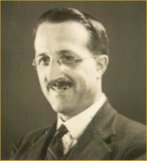
The 11 addresses in Memorials 11 are particularly suitable to build up young believers – of whatever natural age.
- Mr. Cowell helpfully opens up some very basic foundational teachings in a clear manner:
- justification, sanctification, reconciliation, sonship and the gift of the Spirit;
- as well as the character, conditions, privileges and principles of fellowship, and other important matters.
- This is ministry from which all can profit.
G.A.R.
Page Top
| A CHRISTIAN'S RELATIONSHIP WITH GOD - 1 |
|---|
Romans 5: 1-2, 9-11
Hebrews 10: 4-10, 19-22; Ephesians 1: 13, 14
Finchley, London, June 1953
Memorials 11: 1-13
|
|---|
This meeting, dear friends, has been convened with a view to God being pleased to help those of us who profess to be Christians to understand better the ground of our profession.
- I trust that there will also be sufficient in what comes before us to make the way of salvation perfectly clear to anyone here who may not yet profess to be a Christian, and may not yet believe in the Lord Jesus –
- I trust there will be sufficient to be used of God to bring that soul to Christ,
- so that we may all leave this room as professing Christians and true believers; and in some measure established in the faith.
I would say at the beginning that there is nothing more important for any of us to consider than our personal relationship with God.
- Compared with that, other things fade into insignificance.
- Satan, the enemy of our souls, would endeavour to make you and me put that last, to make it the last thing that we should think about, whereas
- if we face the matter soberly and sensibly, as I may say, we shall each one surely admit that it is a matter of the very first importance, far excelling any other in importance,
- because however we stand with man, that is of little account compared with our relationship with God.
- We all need God. We need Him for one thing because He is the Rock, the Rock of Ages.
- Everything else that we might trust in or rely on is going to fail us, heaven and earth even will pass away, so that if there is one thing we need, it is to know God.
- If I know God and have a link with God, and have the consciousness that God loves me, that is of more value than if I possessed the whole world and a thousand worlds.
- That priceless possession, the knowledge of God, and the knowledge that He loves you can be yours.
What we are offering is better than a thousand worlds; the whole universe put in the scales against the knowledge of God and His love does not bear comparison.
- We all need God – the essential need of every man, woman and child is to know God, and we have only got a short time in which to get to know God, and we do not know how short the time is.
- Our lives here are short in any case, and now is the time to get to know God, because
- our eternal position in relation to God depends on our getting to know God now.
- Everything depends on now – this present time.
- “It is appointed unto men once to die and after death the judgment”.
- It is too late then, but the great thing is now, now is the time to get to know God, to have the love of God shed abroad in your heart by the Holy Spirit,
- and to become established and certain in your soul as to how you stand in relation to God, and that is the question I want to raise with you:
- Have you certainty and assurance in your relationship with God?
You profess to be a Christian, you have some respect for the name of the Lord and for the Scriptures,
- but I would like to ask you if you have certainty and assurance in your relations with God.
- God Himself is the Rock of Ages, and here in this book we have something that is abiding.
- The Lord Jesus says, “heaven and earth shall pass away, but my words shall not pass away”
- – they are in this book, the Bible.
- This book has been more attacked than any book, but it still stands: the truth of it shines with greater clarity than ever before.
- The oppositions of science falsely so-called at the beginning of this century have faded away; men have got to know more about the creation and those cavillings have come to nothing.
- The more the truth as to the creation is discovered, the more it proves the truth of this book.
- It is a great thing that we have this book, these lively oracles of God; this book is the most precious thing that the earth affords and there is the truth.
- It is the most precious book there is. I trust everybody here respects it.
- I can tell you this, the more you read it and experience what it says, the more you will respect it and be assured of the truth of it.
What I am wanting to speak and enquire about is as to what measure of certainty and assurance you have in your relations with God.
- You are a believer, but perhaps you have not got much certainty
- It is not God’s thought that you should be in doubt and uncertainty. God has nothing else in His mind but that you should be in certainty about the truth, more certain than anything in this life.
- There is no reason why you should not be sure and certain because your salvation does not rest upon anything that you have done or could do.
- If my salvation rested in any degree upon my doings, I should be lost forever. I might well be uncertain if I even had to do a part of it.
- If the Lord Jesus had done something and I had got to do the rest, I might well be full of uncertainty, and the truth is it would all fail;
- if anything was left to me it would fail.
- But the great truth of the glad tidings of God –
- these glad tidings that are meant to make you glad, and to be told you had got to do something would never give you gladness or certainty
- – these glad tidings of God rest upon a Person who can never fail.
- They all rest on the solid foundation of the Person and the redemptive work of our Lord Jesus Christ. The old hymn writer says,
“On Christ the solid Rock I stand
All other ground is shifting sand”.
We want to get you off that shifting sand. You may have had mixed ideas about the ground of your salvation, but we want to bring you on to the solid Rock, and the solid Rock is Christ and His finished work upon the cross;
- that is the Rock I am standing on.
- Nothing can ever move that Rock, and nothing can ever move those who stand upon it. My eternal salvation is complete and assured, and yours is the same if you are a believer in Jesus.
- God wants you to enjoy this assurance, this certainty; as trusting in Christ and His finished work.
- I put Christ first, and why I do that is because the Redeemer is a living Person. When we think of His work we are thinking of the work of a living Person.
- He says to John, “I am the first and the last, and the living One; and I became dead, and behold I am living to the ages of ages, and have the keys of death and of hades”, Revelation 1: 17-18.
- He is living, but He became dead. No other man has ever become dead – all others have had to die – the Lord Jesus became dead, it was His own act.
- He came here to die, so that you and I might be brought to God, but He is living to the ages of ages. It was impossible that He should be holden of death.
- He tasted death and all that death can mean, God’s wrath and Satan’s power.
- He says, “Before Abraham was, I am”.
- Jesus is the I am, the Eternal God manifest here in flesh.
- He became dead, but He is living to the ages of ages as a risen glorified living Saviour, a living glorified Man, ever God, and yet Man in a glorified condition.
- Peter says, “This same Jesus”.
- He is the same Jesus, and His final word in the Bible is,
- “I Jesus have sent mine angel to testify these things to you in the assemblies. I am the root and offspring of David, the bright and morning star”.
- So that it is a living Person we rest upon, a living Person who is living to the ages of ages.
- But we would have no right to put our trust in Him, there would be no basis for it, if He had not died, so we trust in Jesus, a living glorified Saviour and His work upon the cross.
I want to say a few words about that wonderful work of Jesus on the cross. It is referred to in the passages we have read.
- We need to understand these passages to get the assurance and certainty I have been speaking of. The first says,
- “having been justified on the principle of faith, we have peace towards God”.
- That is the first thing. Have you got peace towards God? It speaks in Hebrews in the chapter out of which we read about the worshippers once purged having no longer any conscience of sins.
- If you have once known the purging power of the precious blood of Christ, your conscience will never trouble you again in this particular way in relation to God.
- If you go on carelessly you may lose communion and your conscience will trouble you in that sense, because you will feel you have grieved the One who died for you, but you will never be afraid of the wrath to come.
- If your conscience is once purged of that fear, it is a completed matter. You have no more conscience of sins in the sense of being afraid of their final consequences –
- “justified by faith we have peace towards God”.
- The word ‘justified’ comes from the same root as the word ‘righteous’. ‘Just’ and ‘righteous’ mean the same thing.
- “Having been justified on the principle of faith”
- means that having been set up in judicial righteousness before God, on the principle of faith, we have peace towards God.
- There could never be any assurance of our eternal salvation if it was not based on righteousness.
- If it was not on a righteous basis, which nobody could ever challenge, we should never be safe.
- It is a most important thing to understand that we are set up in judicial righteousness before God.
The need for justification appeals to guilty people.
- “All have sinned and come short of the glory of God”
- it says in chapter 3 of this epistle, and then immediately
- “being justified freely by his grace through the redemption which is in Christ Jesus; whom God has set forth a mercy seat through faith in his blood”.
- We are all guilty. We deserve the wrath of God. Our sins deserve eternal judgment. What has God done to meet that position? He has not overlooked our sins.
- God sent His Son, and Peter says of the Lord Jesus
- “who himself bare our sins in his body on the tree”.
- Jesus died as the Sinbearer. He bore the judgment, He bore the wrath, He cried,
- “My God, my God, why hast thou forsaken me?”
- He was bearing what was due to you and to me before God.
- If we had had to stand before God in our sins – and may God grant that none of us here may do so – it would mean eternal banishment from His presence.
- Not a soul with sin upon him can come into the presence of God.
- But Jesus took our sins upon Him and God sent Him for that purpose that He should die and bear our sins upon the cross,
- and now He is set forth as a living Man in heaven for faith to lay hold of as a mercy seat.
- The mercy seat is where God meets us, where He will talk to us on most favourable terms. He says to Moses
- “There will I meet with thee”.
- The precious blood of Christ has been shed, and it goes on to say
- “whom God has set forth a mercy seat, through faith in his blood, for the shewing forth of his righteousness, in respect of the passing by the sins that had taken place before”, Romans 3: 25.
- All the sins God forgave in the Old Testament were forgiven on the ground that Jesus was going to come and be the Sinbearer – all the sins that will ever be forgiven are on the basis of the precious blood of Christ.
- There is no other basis on which forgiveness can come to any man or woman or child in the world’s history. That is the truth, and God has shown forth His righteousness.
- God is going to save a vast multitude, but He is going to do it on an absolutely right basis, not by overlooking sins, but by glorifying Himself in His righteousness.
- How can God prove His righteousness in saving guilty sinners from their sins?
- Only by “not sparing his own Son but delivering him up for us all”.
- All the offerings in the Old Testament looked on to this – the continual sacrifices on the altar of old all foreshadowed the great truth that Jesus was to come – that He was to be the Sin bearer.
- It is a most marvellous thing that God has found a means, yet of course, He foresaw this, the Lord Jesus was fore-ordained before the foundation of the world as the Lamb who was going to die – 1 Peter 1.
- But think of God conceiving a plan whereby He could free the sinner from his guilt and yet manifest His righteousness, not His laxity – which could never be – about sin.
- He is absolutely righteous in all that He does, and yet saves the sinner. That is where His love comes in. It is God’s love that moves Him to act in this way to save the sinner.
- That is where glory comes in. People wonder what glory means.
- The glory that God has gotten to Himself in this respect is that He has found a way of acting in perfect love and forgiving the sinner and yet upholding in an absolute sense His righteousness.
- The believer thus realises that, through believing in the Lord Jesus, He stands before God in judicial righteousness, absolutely clear from every charge on an absolutely righteous foundation.
- No enemy can accuse him. The work of righteousness is peace, and the effect of righteousness quietness and assurance forever – Isaiah 32: 17.
- The way we get peace towards God and quietness and assurance for ever is by understanding that the basis of our salvation is in righteousness, and therefore no enemy can bring an accusation against us because of Jesus and His blood –
- “being justified by faith we have peace towards God”.
- “Who shall bring an accusation against God’s elect? It is God who justifies”.
- I trust these few words will help us all towards peace with God and assurance.
- A soul that rests on the righteousness of God can never be moved, and he understands, in a true way, the love of God;
- whereas a soul that rests on the love of God without understanding God’s righteousness, is never sure,
- nor does he understand the true nature of God’s love.
Sanctification is needed by defiled persons, justification is needed by guilty persons,
- but they are the same persons, and it is the same work.
- Although I am going to speak about three aspects of the work of Christ it is one work.
- The Holy Scriptures give us the various aspects to understand the work of Christ, but it is one.
- Every guilty person must be a defiled person because sin defiles us.
- We may know our sins are forgiven, but still be doubtful about entering God’s presence because we are conscious of the defilement of sin.
- But the very work that justified me has sanctified me.
- “By which will we have been sanctified through the offering of the body of Jesus Christ once for all”.
- This is not progressive sanctification.
- “We have been sanctified … once for all”.
- He has taken my place upon the cross. God made Him to be sin for me, and the result is God no longer sees me as connected with my Adam state – the state in which I was born in sin.
- In the death of Christ I can say in faith that I died with Him, and I live now in Him, the risen Man. I am in all His acceptance before God, so that not only is there no charge against me,
- but in God’s sight none of the defilement belonging to the old order attaches to me.
- I have been buried with Him and raised with Him by faith of the working of God.
- That mighty work of Christ has not only justified me, but it has sanctified me, and Paul writes to the Corinthians and calls them sanctified in Christ Jesus.
- You do not have to wait for the Pope to make you a saint. We are saints by divine calling, we are saints because of the Person and work of Christ, and our faith in Him.
- That is how we have become numbered amongst God’s holy ones, saints by divine calling. We are sanctified, set apart for Him, pleasurable to Him.
What does the understanding of this do for us?
- The understanding of this gives us boldness.
- As a guilty man I need justification, and the understanding of justification gives me peace and assurance;
- but the understanding of sanctification gives me boldness.
- There are many Christians who think it presumption. But if I have not peace, assurance and boldness it is because I have failed to apprehend the greatness of the Person and work of Christ.
- You may think it is very humble to say you are not sure of your eternal salvation, but you are casting a slur on the Person and work of Christ.
- “Having therefore boldness for entering into the holy of holies by the blood of Jesus”.
- The holy of holies in the tabernacle was just a figure of the true. The High Priest only dare enter there, and he only went in once a year.
- What a difference in Christianity – the Son of God has come. He says,
- “Lo, I come … to do, O God, thy will”.
- He has offered up His body. Sacrifices such as those prescribed in the Old Testament are no longer required, for this sacrifice has eternal efficacy.
- “By one offering he has perfected for ever those that are sanctified”,
- and if we understand that we have boldness.
- Of old no one dare draw near except the High Priest once a year, but now every believer
- “having therefore boldness for entering into the holy of holies by the blood of Jesus”
- can enter into the holiest place in the universe at any time. We are not afraid to go there, it is not presumption.
- To suggest that we may not enter there casts a slur upon the Person and work of Christ, and surely none of us would wish to do that.
- We surely desire to magnify our Saviour and we do this by drawing near with a true heart, in full assurance of faith. We enter the most holy place, the very presence of God, and find a welcome there.
- We have boldness to enter by the blood of Jesus, not by our works; nothing we could do would have conferred this privilege upon us. It is by the blood of Jesus, by the
- “new and living way which he has dedicated for us through the veil, that is to say, his flesh”.
I wonder whether every believer finds his home in the presence of God.
- We have peace with God and now boldness to enter into the immediate presence of God where Jesus is. Why should we not be bold to go there, for Jesus is there.
- He has won that place for us to enter into in faith now, and to be our home in actuality all through eternity.
Now I pass on to Romans 5. Another aspect of the death of Christ is brought before us in verse 10.
- “If being enemies, we have been reconciled to God through the death of his Son”
- – enemies need reconciliation.
- We were all guilty and defiled, and were all enemies, alienated from God. Everyone of us needed justifying, and sanctifying; and
- similarly, each one needed to be reconciled, and the one great work on the cross has effected all.
- These are just aspects of it. It is one great work and the one who puts his trust in Christ comes into the gain of all these things at one stroke on the principle of faith.
- Reconciliation is received as we repent and believe in the Lord Jesus. This is a wonderful thing.
- “Being enemies we have been reconciled to God by the death of his Son”.
- That is a most touching expression relative to the death of Christ, the death of His Son. How it brings out the love of God.
- Think of God acting like this towards His enemies.
- Guilty? Yes, He has compassion on the guilty and defiled, and would meet their state. But their very guilt lay in the fact that they were enemies.
- Men have turned their backs on God, are alienated in mind by wicked works, do not want God.
- Have you ever heard of anyone treating his enemies like this?
- “Being enemies, we have been reconciled to God by the death of His Son”.
- The state of enmity came to a head at the cross.
- The Lord Jesus says, “they have both seen and hated both me and my Father”.
- The cross is an inexcusable crime on the part of man – it cannot be whitewashed – there are no extenuating circumstances, just because He was perfect goodness.
- Sin makes us like that, we hate what is good, and turn away from every mention of God, and if we pursue that course we shall go to hell because that will be our proper place.
- We could not go to heaven because it is the home of love, and a hateful person could not go there.
We were all involved in the crime of the crucifixion, both Jew and Gentile; and when our enmity was fully exposed we were reconciled to God by the death of His Son.
- The very death that men imposed on Jesus God made an atoning death. The great work of reconciliation was carried out, Jesus took the whole matter of sin upon Himself.
- Such grace and love has never been heard of, it is inconceivable, it could only be found in God.
- To know a God who treats His enemies like that fills our hearts with joy. This aspect of the death of Christ brings joy.
- How can we help boasting in a God like this?
- I do not know a worse enemy than myself. When I was an enemy I was reconciled to God by the death of His Son.
- No wonder I boast in God – that is where real Christian joy comes in.
- We know our salvation rests on righteousness and cannot be challenged; we have boldness because we know He has cleansed us from our defiled condition;
- but we joy in God because He has reconciled us – we who were enemies
- – and it has completely overcome us and has filled our hearts with unspeakable joy.
- We are making our boast in God, and we joy in God through our Lord Jesus Christ, through whom we have now received the reconciliation.
I hope everybody here has peace and joy and boldness.
- As you kneel down by your bedside tonight to pray, may you experience what it is to enter the holiest, conscious that it is your eternal home,
- and may you have the unspeakable joy of being consciously reconciled to God by the death of His Son.
I would like to speak very briefly about God’s side of this matter. We joy in God,
- but Luke 15 shows God’s joy in us as reconciled to Him.
- It shows how God loves to have us in His presence. The younger son says,
- “I will arise and go to my father and say, Father, I have sinned against heaven and before thee – make me as one of thy hired servants”.
- But “while he was yet a long way off, his father saw him, and was moved with compassion, and ran, and fell upon his neck, and covered him with kisses”.
- That is reconciliation. That is the way God treats those who were in a state of enmity but now repent.
- He is just waiting for our return. He fell on his neck and covered him with kisses. It is love like this which led God to give His Son. He says,
- “Bring out the best robe and clothe him in it”.
- It is a question of His own joy in having us in His presence.
- Perhaps another time we could speak about what the best robe means, the blessing into which God brings us.
- These reconciled persons are brought into His presence as sons. He says,
- “let us eat and make merry: for this my son was dead and has come to life again”.
There is peace for the guilty through justification,
- boldness for the defiled through sanctification,
- and unspeakable joy through reconciliation – the joy in which God excels as He must in everything. He loves to have us in His presence.
But you may say, ‘How can I be kept in the enjoyment of these things? I am enjoying these things while you speak of them, but I am afraid tomorrow the joy will wane’.
- As we rest upon that Blessed Person and His finished work as it says,
- “in whom ye also trusted, having heard the word of the truth, the glad tidings of your salvation”,
- we are sealed with the Holy Spirit, for it goes on to say,
- “in whom also, having believed, ye have been sealed with the Holy Spirit of promise”.
- If you are a real believer, God will seal you: God seals His own property which He has bought at such tremendous cost, and He seals you with the gift of the Holy Spirit.
- He takes possession of us by giving us His Spirit to dwell in us; but that same Spirit is the earnest of our inheritance.
- The Holy Spirit is given to us to maintain us in the enjoyment of these things until the actuality arrives.
- There is no reason for your joy to wane, but there is every reason for your peace and boldness and joy to increase every day.
May God help us to be in the power and enjoyment of these things for His Name’s sake!
Page Top Address Top
| A CHRISTIAN'S RELATIONSHIP WITH GOD - 2 |
|---|
Galatians 1: 3-5; 3: 2-4; 4: 4-7; Romans 8: 1-10, 14-17
Finchley, London, June 1953
Memorials 11: 14-25
|
|---|
The purpose of this meeting is to help us in our relations with God. The most important thing in our lives is the relationship of our souls with God.
- We were speaking last week of the need of certainty and assurance. It is God’s mind we should all be certain and sure in our relations with Him.
- There is no reason why we should not be, because our blessing and acceptance before God depends entirely upon the Person and work of Christ.
- If it depended on ourselves we never could secure the blessing. It is impossible for anyone of us to be his own saviour: we could never save ourselves.
- But because our salvation depends upon the Person and the work of Christ, therefore everyone who believes on Him ought to be certain and sure in their relations with God, because Christ cannot fail.
- He cannot fail because of who He is: the One by whom all things were made –
- “all things were created by him and for him”.
- When redemption needed to be accomplished He did not depute it to another. The very One by whom and for whom all things were made Himself took on the work of redemption.
- How could He fail? He came into manhood on purpose to accomplish that work. He said
- “Sacrifice and offering thou willedst not; but thou hast prepared me a body”, Hebrews 10: 5.
- And He took that body prepared for Him on purpose that He might lay it down as a sacrifice for sins. In fact, it says He has put away sin by the sacrifice of Himself.
The sacrifices and offerings of old could never take away sins, but the Lord Jesus has borne our sins in His body on the tree and now He has risen and ascended and appears in the presence of God for us.
- His place in the presence of God determines the place of every believer in Him.
- Our salvation rests upon Him and His finished work and therefore everyone who believes in Him should have certainty as to forgiveness and acceptance with God.
We were noticing last week that the work of Christ on the cross is presented in different ways in scripture.
- It is one work and we come into the gain of it from God’s side in one stroke, as it were, when we believe in Jesus.
- The guilty need justifying. We were all guilty, but are justified by faith and have peace with God. The guilty get peace.
- The defiled need sanctifying. Sin has defiled us all and makes us unfit for the presence of God.
- As we understand that we are sanctified by the offering of the body of Jesus Christ once for all we have boldness to enter the holiest by the blood of Jesus. We have not only peace but boldness.
- Enemies need reconciling. We were all enemies against God – sin had made us so. But we have been reconciled to God by the death of His Son – that is what God has done for His enemies.
- Whoever heard of anyone treating enemies like that? But God gave His Son for those who were enemies, and as we understand that we rejoice in God.
- Thus we have peace and boldness and joy.
Tonight I want to go a step further and to speak of blessing, dwelling mainly on Galatians 3: 14 which says,
- “that the blessing of Abraham might come to the nations in Christ Jesus that we might receive the promise of the Spirit through faith”.
- I want to speak of these two things – blessing and the promise of the Spirit through faith.
- Not only are we justified by faith but the blessing also comes to us through faith and we receive the promise of the Spirit through faith.
- All that we receive from God through our Lord Jesus Christ is on the principle of faith.
But you may say to me, ‘Surely those things you have already spoken about are blessings?’ They are.
- Justification, sanctification and reconciliation are great blessings, but they are blessings that are a necessity to us because of sin.
- They are blessings which free us from the consequences of sin and put us right with God.
- What I wish to speak of now is the positive blessing that was in the heart of God over and above those blessings which remove the consequences of sin.
- God’s love is so great that it would not satisfy Him simply to remove the consequences of sin. He had purposes of blessing for man before the world began.
- It says in Ephesians 1 that He marked us out beforehand – that means before the world began – for sonship through Jesus Christ to Himself.
- That is the greatest blessing – the blessing of sonship.
Sinners need forgiveness, the lost need to be found, enemies need to be reconciled:
- but who would have thought that those thus brought to God and cleared from all the consequences of their sin through the precious Person and work of Christ would be given the place of sons?
- It is blessing beyond anything that could have entered into the heart of man. As the scripture says
- “Things which eye has not seen and ear not heard, and which have not come into man’s heart, which God has prepared for them that love him, but God has revealed to us by his spirit”, 1 Corinthians 2: 9.
In Luke 15 the father falls on the neck of the returning son and covers him with kisses –
- a practical illustration of reconciliation
- – the way God delights to receive returning ones. But then the father says
- “Bring out the best robe and clothe him in it”.
- Who could have thought of such a thing as that?
- “And put a ring on his hand and sandals on his feet; and bring the fatted calf and kill it, and let us eat and make merry, for this my son was dead and has come to life, was lost and has been found”, Luke 15: 22-23.
- You see, the saved sinner was a son in purpose even before he was a sinner in practice.
- God had this blessing in mind before the world began. Everything was prepared. He says,
- “Bring out the best robe and put it on him”.
- He would make that returning one entirely at home in His presence, in His house. Who could be more at home than one who is clothed in the best robe?
- How thoroughly fitted for his place in his father’s house – a ring on his hand, shoes on his feet; it gives us an idea of the wealth of the blessing God bestows upon us.
And then, if we are sons, we are also heirs, as it says,
- “So thou art no longer bondman, but son; but if son, heir also through God”, Galatians 4: 7.
- I can conceive of nothing more blessed, dear friends. What could be greater than to be before God as His sons and heirs? How rich we are!
- So the blessing of God is sonship and inheritance, because God would give His sons the portion proper to sons: the inheritance.
So Scripture says, “All things are yours, and ye are Christ’s and Christ is God’s”.
- What a wonderful thing! Paul says,
- “as having nothing yet possessing all things”.
- As Christians in this world we have no part nor lot in it, and yet everything belongs to us. Why? Because we are sons of God.
- Everything belongs to God and therefore everything belongs to the sons of God. He has appointed the Lord Jesus, who is the Son, the Heir of all things.
- The time is coming when Jesus will take up the inheritance, it is all His by right. He is the Son and the Heir.
- We are sons of God and we are joint heirs with Christ, thus the time is soon coming when we shall inherit all things.
- If we understood this we should not hanker after possessions at the present time.
- Everything is ours, but we do not want to possess them until Christ is in possession. We do not want them while He is rejected and the usurper is in control.
- Yet all things are ours. We are sons and heirs of God. Such is the blessing with which God has blessed us.
I want to say a brief word as to what this has cost.
- It says in Galatians 3: 13-14, “Christ has redeemed us out of the curse of the law having become a curse for us – for it is written, Cursed is every one hanged upon a tree – that the blessing of Abraham might come to the nations in Christ Jesus, that we might receive the promise of the Spirit through faith”.
- The curse is the very opposite of the blessing. They are opposite just as life and death are opposite.
- Jesus died for us that we might live. He bore the wrath of God that we might be justified.
- But there is nothing that can be more touching than this, that Christ has redeemed us out of the curse of the law, having become a curse for us. Have you thought of that?
It is written “Cursed is everyone that hangs upon a tree”,
- and Jesus was hanged upon a tree for you and for me.
- He bore the shame of public execution, and in being hanged upon the tree He became a curse for us; the curse that the law pronounced upon us fell upon Him.
- The law was given that man might earn blessing if he could, but it proved that man could only earn the curse.
- All the law could do was to pronounce curse upon us, because we are all law-breakers, and the Lord Jesus became a curse for us in order that the blessing might come to us.
- The love of God was behind it because
- “when the fulness of the time was come, God sent forth his Son, come of woman, come under law, that he might redeem those under law, that we might receive sonship”.
- The love of God was in this matter – the blessed God who would not only have forgiven sinners in His presence, but sons.
I wonder whether we have all appreciated this great blessing.
- I am assuming we are all believers here, but have we laid hold of this blessing?
- We are all sons of God by faith in Christ Jesus – Galatians 3: 26. Have we laid hold of that?
- You may say, ‘I am a believer and know my sins are forgiven and I am justified’.
- But have you grasped the fact that if you are a believer you are one of the sons of God? It says so
- “We are all sons of God by faith in Christ Jesus”,
- and then it says in chapter 4, verse 6
- “But because ye are sons God has sent out the Spirit of his Son into our hearts, crying, Abba, Father”.
The blessing is marvellous. Love has abounded beyond all our need. It is a love which not only forgives and reconciles, but also bestows the gift of sonship upon us.
- Think of the magnitude of it – that we might receive sonship. We receive it as a gift, and how? By faith in Christ Jesus. Marvellous gift of God – sonship.
- Much less would have satisfied me: like the younger son in Luke 15 –
- “make me one of thy hired servants”.
- But it would not have satisfied God. That is the point. It would not satisfy God to have us in His presence on any level less than this – sonship. It is to satisfy the love of God.
- What a God He is, that we are brought into His presence in the blessed relationship of sons clothed with the best robe. You cannot get anything better than the best.
- How miserable are the efforts of our hearts to work out our own righteousness!
- “Our righteousnesses are as filthy rags”, Isaiah 64: 6.
- Our efforts to merit salvation – how wretched and miserable and doomed to failure!
But think of the favour and grace of God –
- “Bring out the best robe”.
- If we could have kept the law of Moses and earned life on that basis it would not have been the best robe. We should just have been servants. But God says
- “Bring out the best robe and clothe him in it”.
- We are taken into favour in the Beloved. We share Christ’s place as Man. He said when He rose from the dead
- “Go to my brethren and say to them I ascend unto my Father and your Father and my God and your God”, John 20: 17.
- We are loved with the love which rests on Him and share the place which is His in the presence of His God and Father. How marvellous is the love of God!
Now it says “because ye are sons, God has sent out the Spirit of his son into our hearts, crying, Abba, Father”.
- This is a wonderful thing because God intends the relationship to be real. God has blessed us. He has made us His sons and heirs. All things are ours, but we have not come into the inheritance yet.
- In the meantime He has given us the Spirit so that the things that are actually future might be real and present to us.
- The moment we realise that the Spirit of God is given to us we can never doubt the reality of Christianity, because we cannot limit the Spirit of God.
- God Himself, in the Person of the Spirit, has come to dwell in the believer that we might enjoy the blessing now.
- The Holy Spirit is the Earnest of our inheritance, and brings home to us the present reality both of the relationship and the wealth proper to it.
And so the greatest present blessing the believer has is the gift of the Holy Spirit, for He brings with Him the power and enjoyment of every other blessing.
- That is why the Scripture says –
- “that the blessing of Abraham might come to the nations in Christ Jesus and that we might receive the promise of the Spirit through faith”.
- There is the blessing and the present enjoyment of the blessing by the Spirit.
I would like to raise the question – Have you received the Holy Spirit since you believed? You say, ‘I am not very certain about it’.
- Ask the Lord to help you to make room for the Spirit. If you are a believer the Spirit desires to fill you. Ask Him to do so.
- It is a question of making room and giving place to Him in your heart and as you do so you will come into the joy of the blessing.
- “Because ye are sons, God has sent out the Spirit of his Son into our hearts crying, Abba, Father”.
- It makes the relationship exceedingly real. The Spirit comes into our hearts as the Spirit of God’s Son giving us all the feelings proper to the relationship.
“Abba” suggest the greatest nearness – just as a child can nestle close to its father.
- “Abba” is a word even a child can lisp – one of the most simple words in human language and I believe
- the use of it is intended to show what a sense of nearness we have to God in the power of the Spirit.
- Sonship becomes thus a very, very real and blessed thing.
Now I wish to say a brief word on Romans, chapter 8, because the question will arise –
- ‘How can I be sustained in the enjoyment of the blessing and the relationship that God has brought me into?’
- The chapter shows how sufficient the Holy Spirit is to bring us experimentally into the enjoyment of sonship and maintain us in it.
- Everything depends on the Spirit and our giving place to the Spirit. Do not, however, mix up your joy with the gift itself.
If you are a believer God has given you the gift of sonship, whether you enjoy it or not. We are all sons of God by faith in Christ Jesus.
- Do not let your feelings rob you of the assurance of that.
- But then, if I am not walking in the power of the Spirit in practical deliverance how can I enjoy sonship?
- The place and relationship is still mine, but how can I enjoy it?
- How could a soul in Romans 7 enjoy sonship?
- A man like that cannot enjoy sonship, and yet if he is a believer the verse quoted remains true –
- “We are all sons of God by faith in Christ Jesus”.
I would like to leave an impression on your heart that
- God has no thought of forgiving your sins, reconciling you to Himself, giving you the gift of sonship and creating in your heart all the longings to be in the enjoyment of these things
- and then leaving you down here as a poor slave to sin in the flesh.
- If He had not given you the Spirit you would still be a slave, carnal and sold under sin, only able to say,
- “Oh wretched man that I am”.
- You would have the desire to do what is right and yet if you had not the Spirit you would not have an atom of power.
- Sin in the flesh would get the better of you every minute of every day and you would be indeed a wretched man.
- Unbelievers go along in the flesh and are undisturbed though conscience may sometimes trouble them.
- But the believer cannot be happy if the flesh is active. He has forgiveness and knows the blessing of God and hates evil.
- But he still has the flesh in him and were it not for the gift of the Spirit he would still be led along as a slave by the lusts and desires of the flesh, however much he desired to do good.
But God does not save us from eternal judgment, bless us and create desires in us to please Him and then leave us to our own resources without any power.
- That would not be like God.
- I would like you to have as much confidence in the presence of the Spirit and His power to enable you to be here for God as you have in Christ and His work upon the cross. You should have the same confidence.
You say, ‘I trust Christ for my eternal salvation’.
- But now go further – rely on the Spirit for every moment of your responsible life here. He has come to dwell in you – let Him have His way.
- If you are prepared to judge the flesh and give the Spirit His place and let Him lead you,
- the Spirit is perfectly capable of maintaining you here in complete deliverance from sin in the flesh and in the full joy of salvation and sonship,
- and that is what this chapter, the eighth of Romans, brings out. As it says
- “the law of the Spirit of life in Christ Jesus has set me free from the law of sin and death”.
Chapter 7 shows the terrible power of sin and it is in your flesh as well as mine.
- It shows we have no strength against it.
- But chapter 8 shows the complete victory of the believer because he has the Spirit, is subject to the Spirit and has come under the leading of the Spirit. It has set him free.
- We can afford to have confidence in the Spirit who has come to dwell in us to give us power. Look to Him and seek His help in these matters.
- We seek the Lord’s help in the face of the opposition of the world, but when it is a matter of sin in the flesh we prove what the Spirit can be to us – how He can help us.
- Set your mind to walk according to the Spirit and He will lead you, and in Galatians 5: 18 it says
- “If ye are led by the Spirit ye are not under the law”.
Many Christians, once converted, think it is their business to go back to the law of Moses and try to keep it.
- That is not Christianity at all.
- A Christian is never called upon to do that. He is called upon to walk in the Spirit and He will in no wise fulfil the lusts of the flesh.
- If you walk in the Spirit you are not under law. Why put yourself under law?
- If we walk in the Spirit we do not need the law. If you put yourself under law it means you are trying to keep the law in the power of the flesh; yet
- the fact that you came to Christ as your Saviour was really an admission of your helplessness.
- Why change your ground now?
- “Having begun in the Spirit, are ye going to be made perfect in flesh?” Galatians 3: 3.
I trust these remarks will help us in a practical way, dear brethren. Who of us has not tried to be made perfect in flesh?
- You think you are going to be a very fine Christian man or Christian woman and can be such in your own strength. You are doomed to disappointment.
- You will lose the joy of your salvation – not the salvation itself, but the enjoyment of it.
- There is no such thing as perfection in the flesh.
- As far as you walk according to the Spirit you will answer to God’s word to Abraham,
- “Walk before my face and be perfect”,
- but it is only in the Spirit.
- We may fail a thousand times in a day, but let us get back to walking in the Spirit so that we can walk before God’s face and be perfect.
- No credit attaches to us. It is on account of the Spirit of God dwelling in us.
God Himself delivers us.
- “Who shall deliver me from this body of death?”
- A man in that state could not enjoy sonship. God delivers us through Jesus Christ our Lord.
- Jesus bore the curse of the law for us – all the judgment due to sin in the flesh – in order that we might receive the Spirit.
- God thus delivers us through Jesus Christ our Lord by way of the gift of the Spirit. He would have us all delivered – to be delivered people walking according to the Spirit.
I would say we are filled with the Spirit in the measure in which we are filled with faith.
- They are put together in chapter 6 of Acts. One man is said to be full of faith and the Holy Spirit and another full of the Holy Spirit and of faith.
- Paul develops the great principle of faith in Galatians. Those on the principle of faith are Abraham’s sons and we need to continue on the principle of faith day by day. Paul says
- “I live by faith, the faith of the Son of God”, Galatians 2: 20,
- and the more we are full of faith the more we shall be full of the Spirit.
- A man who is full of faith has his vision filled with Christ. Self is displaced. As the Son of God fills the vision, the Spirit of God fills the soul.
- Walking in the Spirit thus involves walking by faith.
- “And the righteous requirement of the law is fulfilled in us who walk not after the flesh but after the Spirit”.
- We do not put ourselves under law, yet the righteous requirement of the law is fulfilled in us and we move along in communion with God.
- As many as are led by the Spirit of God, these are sons of God, and thus we enjoy sonship in a practical and experimental way.
Sonship was given to us when we were first converted, but we come into the daily enjoyment of it as we give place to the Spirit and are led by the Spirit.
- What father would think of putting his sons under a code of rules? We expect it at school, but not at home. Sons do not need rules.
How wonderful it is in our daily path with its duties and sufferings on account of the testimony or through ill-health or other causes, to be led by the Spirit of God and to have the Spirit of sonship whereby we cry
- What a difference this makes. It gilds everything with heavenly light as we pass through the circumstances, whatever they may be, able to cry” Abba, Father” in them.
- The Lord Himself used these words in Gethsemane’s dark hour.
I trust some impressions will remain with us of the greatness of the blessing –
- nothing less than sonship, and the inheritance of all things
- – and the gift of the Holy Spirit to maintain us in present deliverance from the power of sin and in the practical enjoyment of the blessing.
May God grant it for His Name’s sake.
Page Top Address Top
| A CHRISTIAN'S RELATIONSHIP WITH GOD - 3 |
|---|
Hebrews 11: 8, 29
Romans 6: 17-18, 23; 12: 1-5; 1 Corinthians 1: 9
Finchley, London, June 1953
Memorials 11: 26-38
|
|---|
We have been speaking, on the last two occasions, of the relationship between our souls and God.
On the first occasion we sought to show that it is God’s intention that every believer should have certainty and assurance as to his relationship with God.
- We should be free from doubts and fears and certain of our eternal salvation, because
- our eternal salvation depends, not upon any works that we could do, but upon the Person and the redemptive work of our Lord Jesus Christ.
- We are called upon to put our trust in that blessed Person and His finished work and if we have done this,
- it is not presumption to speak of certainty and assurance in our relations with God; to speak otherwise would be to cast a slur upon the Lord Jesus and His finished work.
We spoke of the guilty needing justification –
- “being justified by faith we have peace towards God”.
- We are all guilty. We have all sinned, but the Scripture says,
- “having been justified in the power of his blood”.
- That is the basis of our justification – the precious blood of Christ, and on the basis of what Jesus is and what He has done the believer appears before God cleared from all charge. He has peace.
We spoke of the defiled needing sanctification. It says
- “By one offering he has perfected forever those that are sanctified”.
- We have been sanctified by the offering of the body of Jesus Christ once for all.
- The same work whereby we have been justified has also effected our sanctification. We now have boldness to enter the holiest by the blood of Jesus.
- Through His Person and His work and our faith in Him we are fitted to enter the most holy place in the universe – the presence of God.
We also spoke of enemies needing reconciliation.
- The same work has reconciled us to God. Sin made us all enemies, but we have been reconciled to God through the death of His Son and now rejoice in God.
- The gospel thus brings peace, boldness and joy to the believer.
On the second occasion we spoke of the great blessings of God. The things just referred to are blessings which remove the effects of sin.
- But God had a blessing in His heart for men which exceeds these, for it says in Galatians
- “We are all God’s sons through faith in Christ Jesus”.
- It would not satisfy the heart of God that we should be in His presence simply as saved sinners. His word is
- “Bring out the best robe and put it on him”
- – on the repenting one. He would have us in His presence as sons. Sonship is a free gift from God.
- He not only justifies, sanctifies and reconciles to free us from all the effects of sin, but He embraces us as sons and clothes us with the best robe.
And then, to make the blessing real at the present time, He gives the Holy Spirit to dwell in the believer –
- “God has sent out the Spirit of his Son into our hearts, crying, Abba, Father”.
- So that the believer is consciously a son. He has all the feelings and affections of a son. The Spirit of God’s Son is in his heart crying, Abba, Father.
- It is a marvellous thing. This is the great blessing of God for men.
I want, now, to speak of another matter – the call of God; and in that connection I want to speak of two things –
- the obedience of faith and the service of God
- All Christians begin to think of service; they desire to serve God. It is of no avail to think of serving God until we are Christians.
- The unconverted religious man would serve, thinking that by so doing he would merit the blessing. Such works are dead works and offensive to God.
- Would Christ have died and would God have delivered up His own Son if we could have saved ourselves? Any such thought is offensive to God.
- But once we have accepted the Lord Jesus and His finished work, putting our trust in Him, and have received the gift of the Holy Spirit and are conscious of the blessing of sonship,
- then we shall desire to serve the God who has loved us in such a wonderful manner.
- Such service can then be very acceptable to God.
- There is a tremendous distinction between the dead works of unsaved people who try to save themselves,
- and the good works of people who know they are saved through the precious Person and work of Christ and are serving God because they love the God who has first loved them.
Good works are delightful to God. God says when bringing the children of Israel out of Egypt
- “Let my son go that he may serve me”.
- God loves to be served by those He has blessed.
- What father is there who is not delighted when his sons express their desire to do something for him? It delights a father’s heart, and it delights God’s heart.
- “Let my son go that he may serve me”.
The question arises as to what it means when it says “Let my son go”, and what is meant when it says in Hebrews 11
- “By faith Abraham, being called, obeyed to go out into the place which he was to receive for an inheritance, and went out, not knowing where he was going”.
- The gospel, as rightly received in the soul, involves the call of God out of Egypt. God would call us all out, and Abraham is the great example in the Old Testament of one called out and it says,
- “By faith Abraham, being called, obeyed”.
- Abraham was living in a city, Ur of the Chaldees, and excavations have brought to light that the culture of that city was on a par with Paris at the present time.
- There were not modern inventions, but the art and culture of Ur of the Chaldees was of a very high order. But it was a wicked and idolatrous city. God said
- “Go out of thy land, and from thy kindred, and from thy father’s house, to the land that I will shew thee. And I will make of thee a great nation, and bless thee, and make thy name great; and thou shalt be a blessing. And I will bless them that bless thee, and curse him that curseth thee; and in thee shall all families of the earth be blessed”, Genesis 12: 1-3.
- Stephen tells us that it was the God of glory who appeared to Abraham.
- One would love to think that the God of glory had appeared to our hearts even during these addresses; this blessed God of whom we have been speaking,
- the God who justifies sinners,
- who sanctifies the defiled,
- who reconciles enemies,
- who bestows the great gift of sonship
- and who gives the Holy Spirit to dwell in us
- – what a glorious God He is! Surely in some measure the God of glory has appeared to everyone of us.
- Have not we some impression of the glory of this God?
- If so, you will have a great desire to enjoy not only the blessing but the company of the Blesser,
- and if you are to have the company of the blessed God Himself, the only way is for you to move out,
- for you cannot enjoy the blessing, neither can you enjoy God’s presence in the way He would love to be with you, while you remain in this world.
Scripture says,
- “Friendship with the world is enmity with God”, James 4: 4.
- The world as a system is built up on the principle of leaving God completely out of account. It is a system of rebellion and robbery.
- It takes God’s property – the fulness of the earth and, without any reference to the Owner, it appropriates and uses it as it thinks fit.
- That is the great principle of sin – leaving God out of account and ignoring His rights.
- It would be regarded as intolerable in human affairs if a man appropriated another’s property without any regard for the rights of the owner.
- But that is what men are doing all the time. It is the principle of the world system.
- How different it will be when what belongs to God is used for God, when the Lord Jesus reigns!
- The oil found in the earth will not then be used to carry atom bombs. The manner in which men use created things is outrageous to God.
- But what else can we expect from a world which proved its enmity and hatred of God by crucifying Christ – a sin of which it has never repented, in spite of its cathedrals and crosses?
- If you were to attend any great social function and made a speech in honour of Christ – the greatest Man living – you would be derided. The world does not want to hear about Him.
- It has not changed and has never repented of the crucifixion. Individuals have, but the world as a system has not.
So the word is “Go out”, and this brings in the principle of the obedience of faith.
- “By faith Abraham being called, obeyed”.
- Paul says he preached the gospel for the obedience of faith among the nations.
- Faith not only puts its trust in Christ and His finished work, but obeys the call of God.
- A man who really trusts in Christ and owns Him as Lord and Saviour could not, with a good conscience, remain in the world. The call has come to him, and it is for him to obey.
Now, the obedience of faith is a matter of love.
- If you have accepted the gospel and let the light of this blessed God shine into your heart, the One who has justified, sanctified and reconciled you, made you one of His sons and put the Spirit of His Son into your heart – you will love Him.
- “We love him because he first loved us”.
- The Scripture says
- “Faith works through love”, Galatians 5: 6.
- You cannot believe in such a God and Saviour without loving that God and Saviour. It is impossible.
- This is how God has secured human hearts. He has loved us into loving Him.
Love for God is the first love of a truly converted man.
- He will love his wife and children and others in their right place, but God is his chief love. It must be so.
- If God has so loved us, sparing not His Own Son but delivering Him up for us all, how can we do other than give God first place?
- But love cannot bear separation from its Object, and if my heart is moved in love to God, I must get into circumstances where I can enjoy His presence; therefore I must go out of the world.
- “By faith Abraham, being called, obeyed”.
- The God of glory had appeared to him in Ur of the Chaldees, but God could not remain with him in that wicked city. But God was more to him than any city.
- He would go wherever he was directed so long as he could have God with him. That is what marks a real believer: nothing matters compared with God.
- I must have God as my everlasting and daily portion; I cannot do without God. I want Christ and I want His God.
- It is more to me to have the Lord Jesus Christ, to be in communion with Him, and thus to have His God and the blessing of His God upon me than anything the world could offer.
- I must move into circumstances where I can know the presence of God.
With Abraham and the children of Israel, who are types of us, it meant an actual geographical movement.
- It is not so with us today. You will still live in the same street and go to the same office or factory but you are a very different person – you are in the world but not of it. The Lord Jesus said,
- “They are not of the world as I am not of the world. I do not demand that thou shouldest take them out of the world, but that thou shouldest keep them out of evil”, John 17: 14-15.
- The will of God in Christianity is that we should remain actually in the world, but to be in it as not of it and not as wanting anything it can offer.
- You are not dependent on it for your joy and resources. They are all in God. Jesus as a Man here found all His portion in His God and so does the believer.
Abraham was drawn out by attraction.
- The God of glory appeared to him and out Abraham went, not knowing where he was going.
- That is what we all have to do – we know not what the next step will be; it is sufficient to know that God is with us.
- We know what the end will be; glory with Christ above. The end is certain. The details we do not know. One step at a time is sufficient with God.
The children of Israel went out of Egypt. With them it was not so much attraction – there were the taskmasters and they were glad to go out.
- If you have really tasted what the world is and its moral character you will be glad to go out. It is not a fit place in which to find the home of your spirit. It is a hard place.
- It appears attractive to us when we are young, but it is all a great delusion.
- It is not a system of giving like Christianity, but of demanding until you have nothing left – a system of slavery, like Egypt.
- It will use up your faculties and strength and leave you with nothing but bitterness. And, too, it is a sin system.
- Sin is viewed as controlling it as did the taskmasters of Egypt, paying its wages which are death. Come out to God and have Him with you continually.
- You will prove what the hymn says,
“Garments fresh and foot unweary
Tell how God hath brought thee through”.
- The Red Sea, which Israel crossed, is a type of Christian baptism as presented in Romans 6, and in verse 17 it says,
- “Ye have obeyed from the heart”.
- I trust this marks everyone of us. I would like everyone to read Romans 6 at home. It is Christian teaching corresponding with the Red Sea in Exodus 14.
- “They were all baptised unto Moses in the cloud and in the sea”, 1 Corinthians 10: 2.
I do not know whether everyone here has been baptised.
- In baptism we profess to have left the world in order to live to God.
- We take the ground of having died with Christ and having been raised with Christ in order to walk here in newness of life, reckoning ourselves dead indeed unto sin, but alive unto God in Christ Jesus.
- It is a great thing to be baptised and to be in the truth of baptism.
- “Out of Egypt have I called my son”.
- Baptism is the way out.
- We shall be tested as were the Christians in Rome. But they had obeyed from the heart the form of teaching into which they had been instructed.
- Theirs was the obedience of faith. They had left the sin system to serve God –
- “The wages of sin is death; but the act of favour of God, eternal life in Christ Jesus our Lord”, Romans 6: 23.
Now, I want to pass on to chapter 12, and to speak about service; and I am going to assume that we have all responded to God’s call, this very night, if not before.
- We are thus out of the world, reckoning ourselves dead to sin and alive to God in Christ Jesus. Now Paul is beseeching us. He says,
- “I beseech you, therefore, brethren, by the compassions of God, to present your bodies a living sacrifice, holy, acceptable to God, which is your intelligent service”, Romans 12: 1-2.
- You may say to me ‘I would love to serve God’.
- You cannot serve Him in the world.
- Some people have the idea that they must help people by moving on their level in the associations and fellowships of men.
- But you will never help people by going down to their level. The children of Israel had to go out.
- Having come out you are in the position where this beseeching applies to you and the apostle says,
- You say, ‘I would love to serve God’; but would you not desire to serve Him intelligently?
- Many souls are desirous of serving God, but are engaged in activities
which are not intelligent service.
- The Bible is written to help us to know what “intelligent service” is – the kind of service God would like His sons to do.
- “Let my son go that he may serve me”.
This is the first step of true service – that you present your bodies a living sacrifice.
- It is open to all of us to present our bodies to God. It is the basis of all Christian service.
- We begin by devoting our bodies. I have something that I can present to God – my body – and it is my intelligent service to do so.
- My body is now indwelt by the Holy Spirit – it is said to be the temple of the Holy Spirit. 1 Corinthians 6: 19.
- True, I still have the law of sin in my members, but I need not serve sin, because the Holy Spirit is in me.
- Therefore it is possible for the believer, as having the Spirit of God dwelling in him, to present his body holy and acceptable to God.
In doing this the believer is in accord with the Lord Jesus our Saviour. We read in Hebrews 10: 5-9 that coming into the world He said
- “Sacrifice and offering thou willedst not; but thou hast prepared me a body. Thou tookest no pleasure in burnt offerings and sacrifices for sin. Then I said Lo, I come (in the roll of the book it is written of me) to do O God thy will”.
- The greatest favour that can be given to the Christian is that he should be privileged, in his small measure, to hold his body for the will of God as following the One who loved us and gave Himself for us.
- The Lord Jesus came with only one object before Him:
- “Lo, I come, to do thy will, O God”.
- This meant for Him the offering of His body as an actual sacrifice for sins upon the cross, an actual sacrifice on the altar even to death and the bearing of the judgment and wrath of God for us.
- In the light of this the only intelligent service we can render is to present our bodies. How small we are in comparison with Him and what He did!
- What all believers have done from the beginning to the end of church history bears no comparison with what Jesus did on the cross.
- Nevertheless, we are privileged in our measure to be in the same path that Jesus trod. He held His body for God and offered it as a sacrifice even to death.
- We are privileged to present our bodies a living sacrifice. We may not be called upon to go to the stake. Some have been. But we would hold our bodies day by day for God.
- If we are doing this we are quite out of the world. The worldling does not do this. We are in the world but truly not of it.
It is in this way we are really brought into Christian fellowship or communion.
- Christian fellowship or communion is spoken of in Corinthians as the communion of the body of the Christ.
- Paul says in 1 Corinthians 10: 16-17,
- “The cup of blessing which we bless, is it not the communion of the blood of the Christ? The bread which we break, is it not the communion of the body of the Christ?”.
- “Because we being many are one loaf, one body; for we all partake of that one loaf”.
- That is a reference to the Lord’s Supper which is the expression of Christian communion – as based on the communion of the blood and of the body of Christ.
- That is, first, we are to be morally in our life in keeping with the holy requirements of the blood and the body of Christ;
- then we can enjoy together the holy privileges of the Lord’s Supper in chapter 11 of 1 Corinthians.
In moving on the line of Romans 12 we are brought in a practical way into Christian communion –
- we are in communion with the Lord Jesus and moving in the same way in which He moved.
- His body was devoted to God’s will; our bodies are devoted and held for God’s will. Thus we are in the communion of the body of Christ in a most positive way.
- If we are holding our bodies for our own will, we are not in communion.
- His body was devoted to the will of God, and Christian communion means that we are in correspondence with Him.
- Thus, if we answer to the exhortation of Romans 12: 1-3, we are really brought practically into Christian fellowship.
- If we have really presented our bodies how can we stand aside from the privileges and responsibilities of Christian fellowship?
Baptism is done once for all to bring us out of the world.
- The Lord’s Supper is taken week by week in which we afresh dedicate ourselves to the will of God, because it is the communion of the blood of the Christ and the communion of the body of the Christ.
- It is wonderful that it should be a weekly matter. We need a weekly re-dedication to this blessed path of intelligent service to God.
- What can be more blessed than to move in our small way in the path which Jesus trod in the power of the Holy Spirit?
- So, week by week we are strengthened as we partake of that which represents His body. He says,
- “Take eat, this is my body”.
- We are strengthened for the path of God’s will.
Then it goes on to say “Because we being many are one loaf, one body; for we all partake of that one loaf”, 1 Corinthians 10: 17.
- This links with Romans 12: 4, which says
- “For, as in one body we have many members but all the members have not the same office; thus we, being many, are one body in Christ, and each one members one of the other”.
- This is further help as to intelligent service.
- Our bodies are to be presented to God for His will and the very first element of the will of God is that we should find our place in the one body, the body of Christ.
- “We being many, are one body in Christ”.
- This is the body a Christian belongs to. A true Christian does not belong to worldly associations and fellowships.
- God bas called him into the fellowship of His Son, Jesus Christ, our Lord – this is holy communion involving our walking, in our measure, in the path which Jesus trod.
- But then God makes every believer a member of the body of Christ.
- You cannot become a member of the body of Christ by applying to any man to be a member.
- God Himself reserves the right to grant membership of the body of Christ, and every believer who has received the gift of the Holy Spirit is a member of the body of Christ. He has come into the greatest body that has ever existed on earth.
- There are all kinds of bodies on earth, parliamentary, social, educational, but this is the greatest body that ever existed on the earth – the body of Christ.
- Through the gift of the Holy Spirit the believer becomes a member of this body. What an honour conferred!
God confers the honour. No man could. God has called you to this. This is part of the calling of God.
- “Let the peace of Christ preside in your hearts, to which ye also have been called in one body”, Colossians 3: 15.
- So that while He has called us out of the world and all the bodies of men, He has called us into a great body – the body of Christ.
- It is the body of Christ which is the true church of God we have been called into, and the greatest favour that could be conferred upon any man, woman or child is to be a member of the body of Christ.
- Thus our intelligent service, if we are believers and have received the Spirit, lies in presenting our bodies a living sacrifice and using them as they should be used by those who are members of the body of Christ.
The body of Christ is formed by God in such a manner that every member in it is to be an active member,
- and God will show you what your place is in that body, what your function is,
- and our intelligent service is to wait upon God and find out what our service is in this wonderful body of Christ into which God has brought us.
- “For … in the power of one Spirit we have all been baptised into one body”, 1 Cor. 12: 13.
I have only touched the first elements of divine service – how we begin to take up intelligently the idea of serving God. Surely we would all like to do so!
- “Let my son go that he may serve me”.
- God has blessed us with unspeakable blessing and if we want to enjoy the company of the Blesser we must be marked by the obedience of faith;
- He has called us out of the world which crucified His Son, and into the fellowship of His Son Jesus Christ our Lord.
- If we answer to the call, we shall be in circumstances in which we can have and enjoy the company of the Blesser unhinderedly, for in 2 Corinthians 6: 16 it says,
- “Ye are the living God’s temple; according as God has said, I will dwell among them and walk among them”.
- We have the company of the Blesser – the blessed God Himself – as we move in the obedience of faith answering the divine call. We have the company of the blessed God Himself.
The blessings are marvellous – beyond description.
- What is more wonderful than all the blessings is to have the company of the Blesser Himself – the blessed God Himself says,
- “I will dwell among them and walk among them”.
- Would you not like to be with those amongst whom God is dwelling and walking, where you will get a foretaste of heaven every day?
- It is God’s mind for every one of us. May you move in answer to His call and move in answer to the beseeching.
- “I beseech you therefore, brethren, by the compassions of God, to present your bodies a living sacrifice”.
May He grant it for His Name’s sake.
Page Top Address Top Next Address